
 English
 Deutsch
 русский
Industry News
Home / Blogs / Industry News / Choosing the Perfect Round Trampoline: Size, Materials & Performance Guide
Content
A round trampoline is one of the most popular additions to any backyard — but with dozens of sizes, frame types, and spring configurations on the market, finding the right one takes more than a quick glance at the price tag. The difference between a trampoline that lasts a decade and one that buckles after two seasons comes down to three factors: size, materials, and performance engineering. This guide walks you through each of them so you can make a confident, informed purchase.
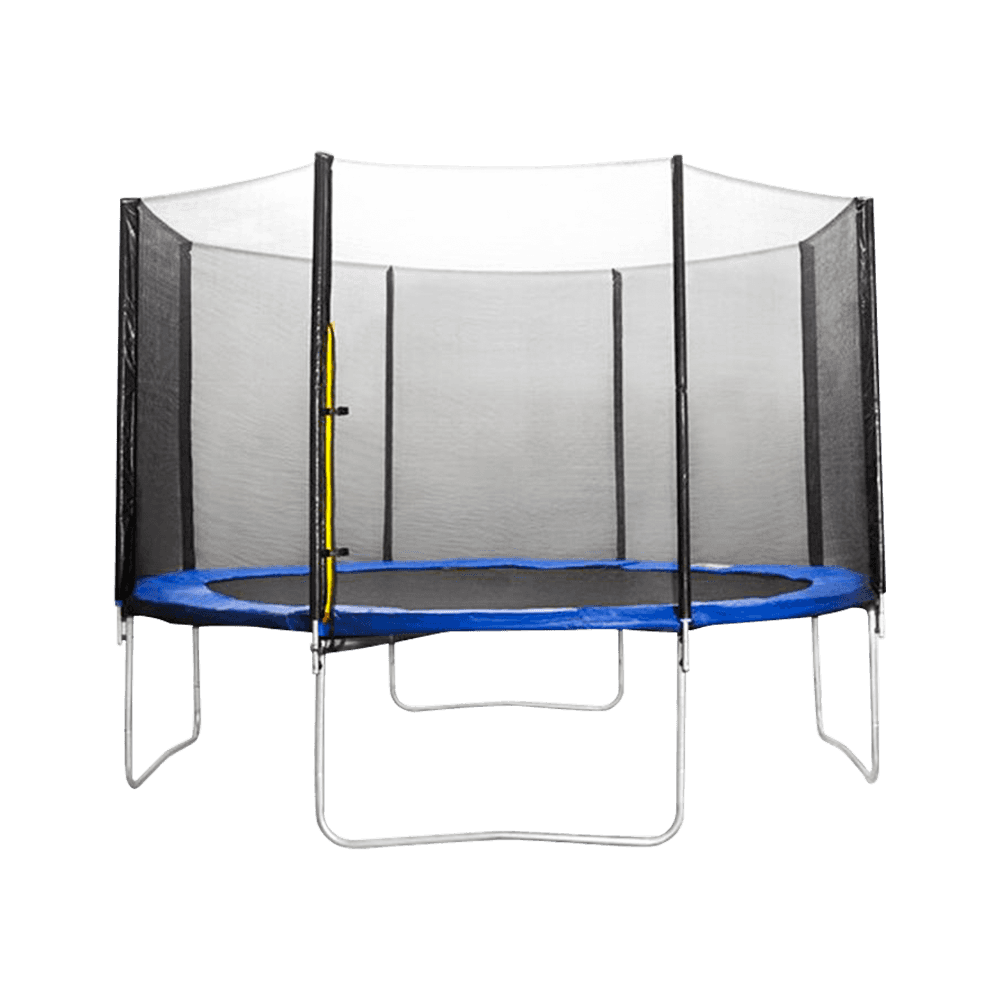
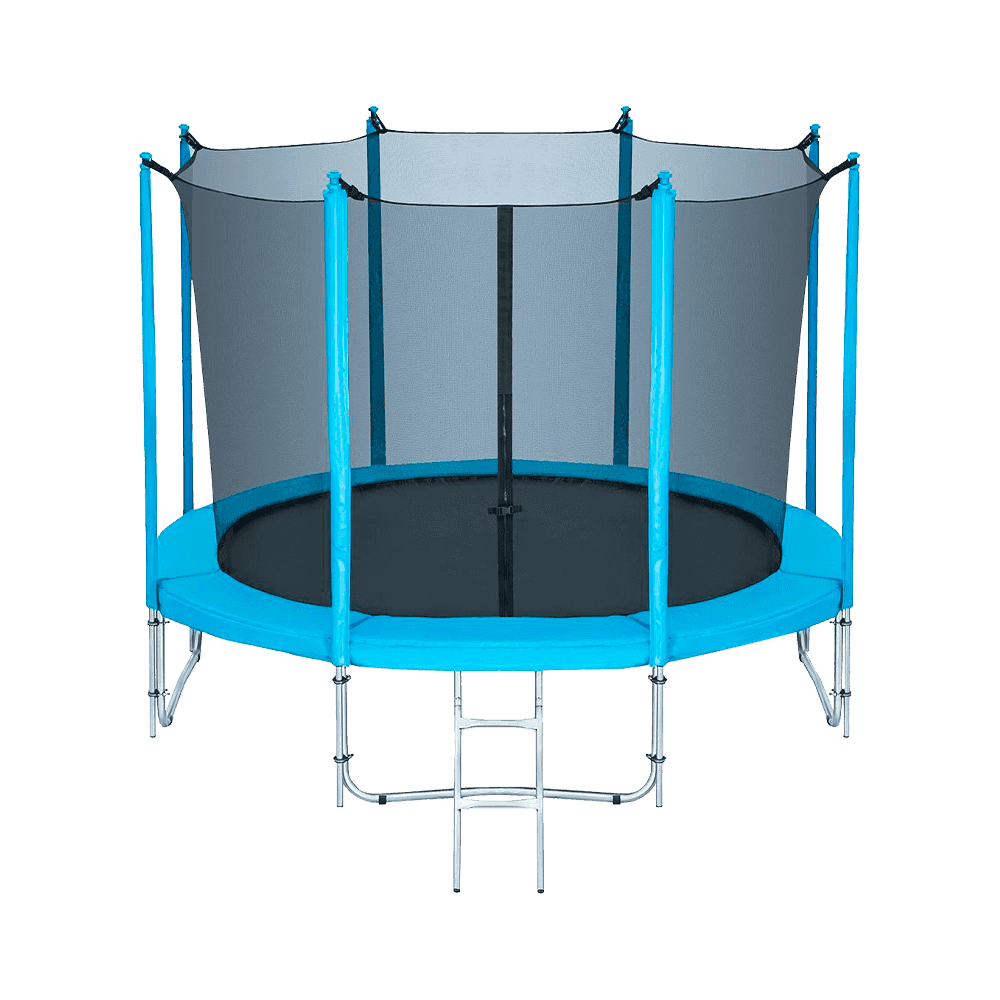
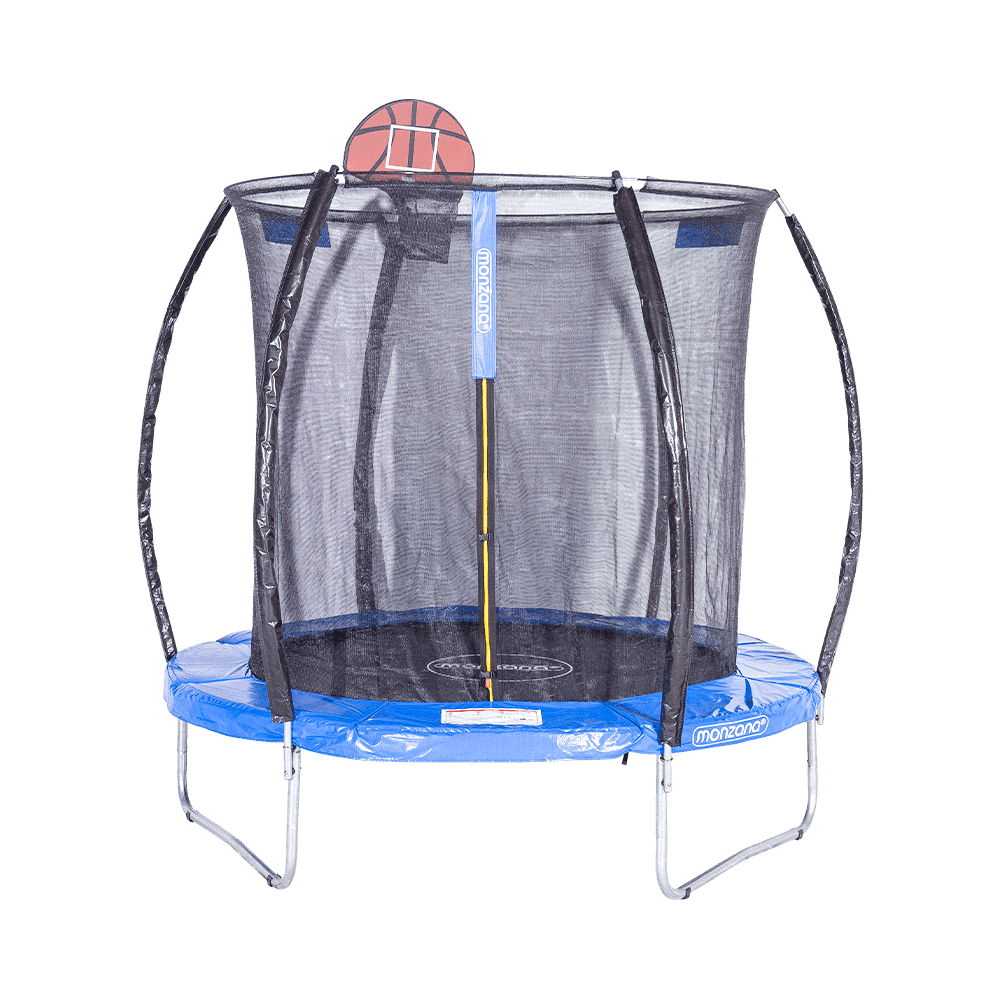
Round trampolines dominate the residential market for good reason. Their circular frame distributes stress evenly across all springs simultaneously, which means every spring works in coordination rather than independently. The result is a natural, centered bounce that gently guides jumpers back toward the middle of the mat — a built-in safety feature that reduces the risk of drifting toward the edge.
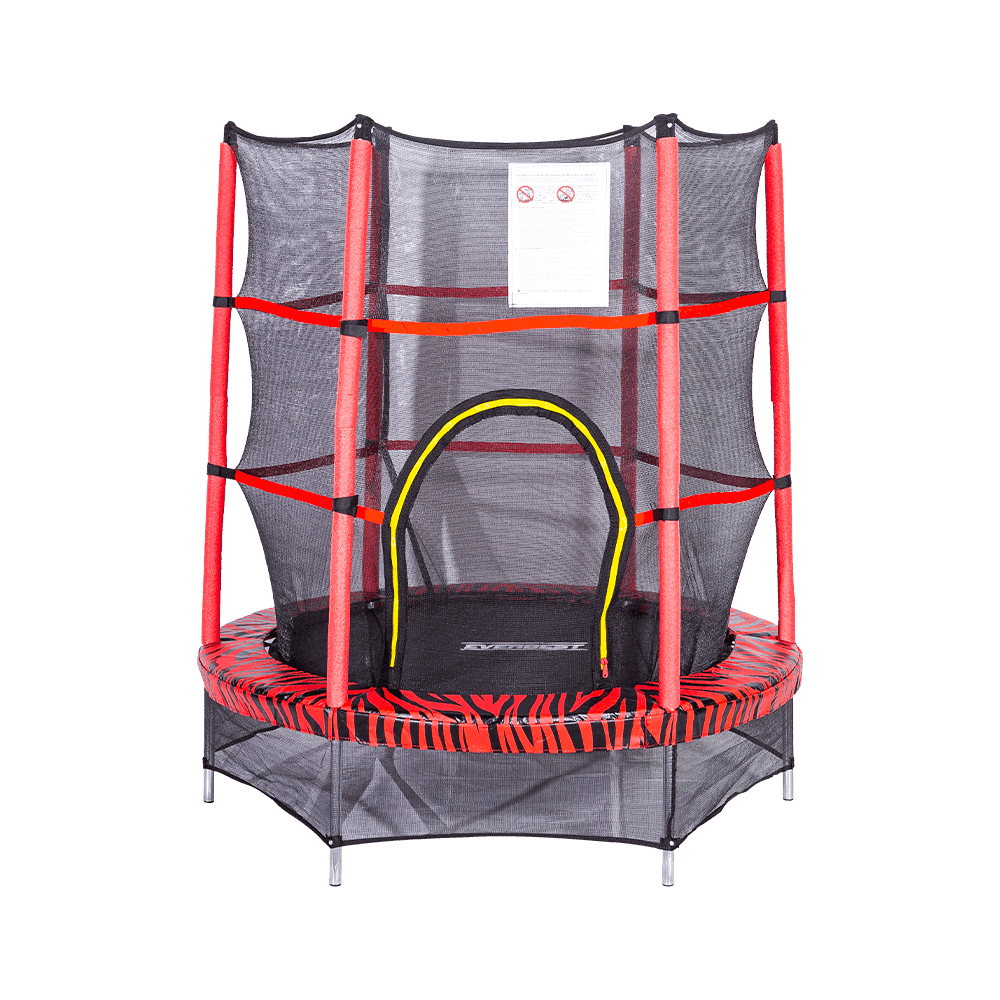
This centered bounce makes round trampolines especially well-suited for younger children and recreational family use. Unlike rectangular models that produce a flat, high-performance bounce across the full surface, round trampolines prioritize controlled, predictable movement — which is exactly what most backyard users need.
Round frames are also structurally simpler, meaning fewer stress points, easier assembly, and generally lower production costs — savings that translate directly to a more competitive price point for the buyer.
Size is the first decision to make, and it depends on two things: the physical space you have available and the age and number of people who will use the trampoline regularly. As a rule, always leave a minimum of 3 feet of clear space around the entire perimeter for safety clearance — more if the model uses a springless design.
| Diameter | Best For | Recommended Users | Min. Yard Space Needed |
|---|---|---|---|
| 8ft | Small backyards, single young child | Ages 3–7, up to 1 user | Approx. 14ft × 14ft |
| 10ft | Mid-size yards, growing kids | Ages 6–12, 1–2 users | Approx. 16ft × 16ft |
| 12ft | Family use, teens and adults | All ages, up to 2 users | Approx. 18ft × 18ft |
| 14ft | Larger families, active teens | Teens and adults, higher weight limits | Approx. 20ft × 20ft |
One practical tip: if you are deciding between two adjacent sizes and both fit comfortably in your space, choose the larger one. A trampoline that feels spacious at age 8 will feel cramped by age 12. Investing in the next size up avoids an early replacement.
Also account for vertical clearance. The total height of the trampoline plus its enclosure net can reach 8–10 feet. Check for overhanging tree branches, roof overhangs, or power lines before finalizing placement.
The frame is the structural backbone of any trampoline, and material quality here determines how many years of use you will get before rust, warping, or joint failure becomes a problem.
Hot-dip galvanized steel is the highest-performing frame material available for outdoor trampolines. In this process, steel components are submerged in molten zinc, creating a metallurgical bond that penetrates the surface rather than simply coating it. This makes the protection far more resistant to chipping, scratching, and moisture intrusion — especially important in humid climates or regions with heavy rainfall.
Powder-coated steel frames are a common alternative. A dry powder is electrostatically applied to the steel surface and then cured under heat, forming a uniform protective layer. Powder coating offers good corrosion resistance and a clean aesthetic finish, but the coating sits on the surface rather than bonding into the metal. Over time — particularly at welded joints and drilled holes — moisture can penetrate and cause rust from the inside out.
When evaluating any round trampoline frame, check these specifications:
The spring system and jumping mat are what you actually interact with every time you bounce — so this is where performance engineering matters most.
Most quality outdoor trampolines use mats woven from polypropylene (PP) or polyethylene (PE) fabric. Both materials offer UV resistance and sufficient tensile strength for recreational use, but the weave density makes a significant difference. A tighter weave means less mat flex, a more responsive rebound, and greater resistance to tearing over time. Look for mats rated at a minimum of 6 rows of stitching along the V-ring attachment points — this is where mat failures most commonly occur.
Perforated mat designs, where small holes are woven into the surface, reduce air resistance on the downstroke and allow for a slightly higher and more efficient bounce. These are standard on performance-grade models but increasingly common across mid-range round trampolines as well.
Springs are the engine of the bounce. Key specifications to compare include:
No matter how well-engineered the bounce, a trampoline is only as safe as its protective components. When evaluating a round trampoline, assess these features carefully.
Enclosure net: The safety net should be attached directly to the mat level — not at the top of the springs — to eliminate the gap between the mat edge and the net base where most entrapment injuries occur. Nets made from UV-stabilized polyethylene with reinforced stitching at entry openings and pole attachment points will hold up significantly longer than standard nylon options.
Spring padding: The foam pad that covers the springs and frame should be at minimum 20mm thick and encased in a PVC cover rated for UV and water resistance. Thin padding compresses quickly and loses its protective function within one to two seasons, particularly in direct sunlight.
Pole and connector design: Fiberglass enclosure poles flex on impact rather than transferring force rigidly — a meaningful safety improvement over steel pole designs. U-clamp or T-socket connectors that lock the net poles firmly to the frame prevent the net from shifting position during use.
Finally, always verify that the trampoline holds internationally recognized certifications. Look for GS, EN71, REACH, and EN13219 compliance. These certifications confirm that the product has passed independent third-party testing for material safety, structural integrity, and load-bearing performance. Products from a certified manufacturer ensure that every component — from the mat to the frame to the trampoline accessories — has been validated against global safety standards.
The upfront price of a trampoline rarely reflects its total cost of ownership. A lower-cost model built with bare steel frames, thin spring padding, and a basic PE mat will typically require part replacements — springs, mat, padding — within two to three years of regular outdoor use. By contrast, a model using hot-dip galvanized steel, a high-density woven mat, and quality springs can realistically remain in service for eight to ten years with minimal maintenance.
When comparing options, calculate cost per year rather than cost at purchase. A trampoline priced at $400 that lasts three years before needing significant replacement parts costs more annually than a $650 model that performs well for a decade.
Sourcing directly from a manufacturer — particularly one that offers OEM and ODM customization — provides an additional advantage: you can specify the exact frame gauge, spring count, mat weave density, and accessory configuration that matches your performance requirements, without paying a premium for branding. For distributors, wholesale buyers, and commercial purchasers, this level of specification control is often the difference between a product that meets your customer's expectations and one that generates returns and warranty claims.
The perfect round trampoline is the one built to the right size for your space, engineered from materials that match your climate and usage intensity, and certified to the safety standards your market demands. With the right specifications in hand, the choice becomes straightforward.
If you have any questions, please fill out the contact form at the bottom of the page and contact us.

Anhui Qidi Fitness Equipment Co., Ltd.
Tel: 0086-563-4676999
Fax: 0086-563-4676999
Mobile:086-15158243539
Email: [email protected]
Address: Dongpo Industrial Area, Zhongxi Town, Ningguo City, Anhui Province China
You are welcome to contact us at any time, we value your feedback and suggestions.
 Previous