
 English
 Deutsch
 русский
Why Frame Pad Maintenance is Essential
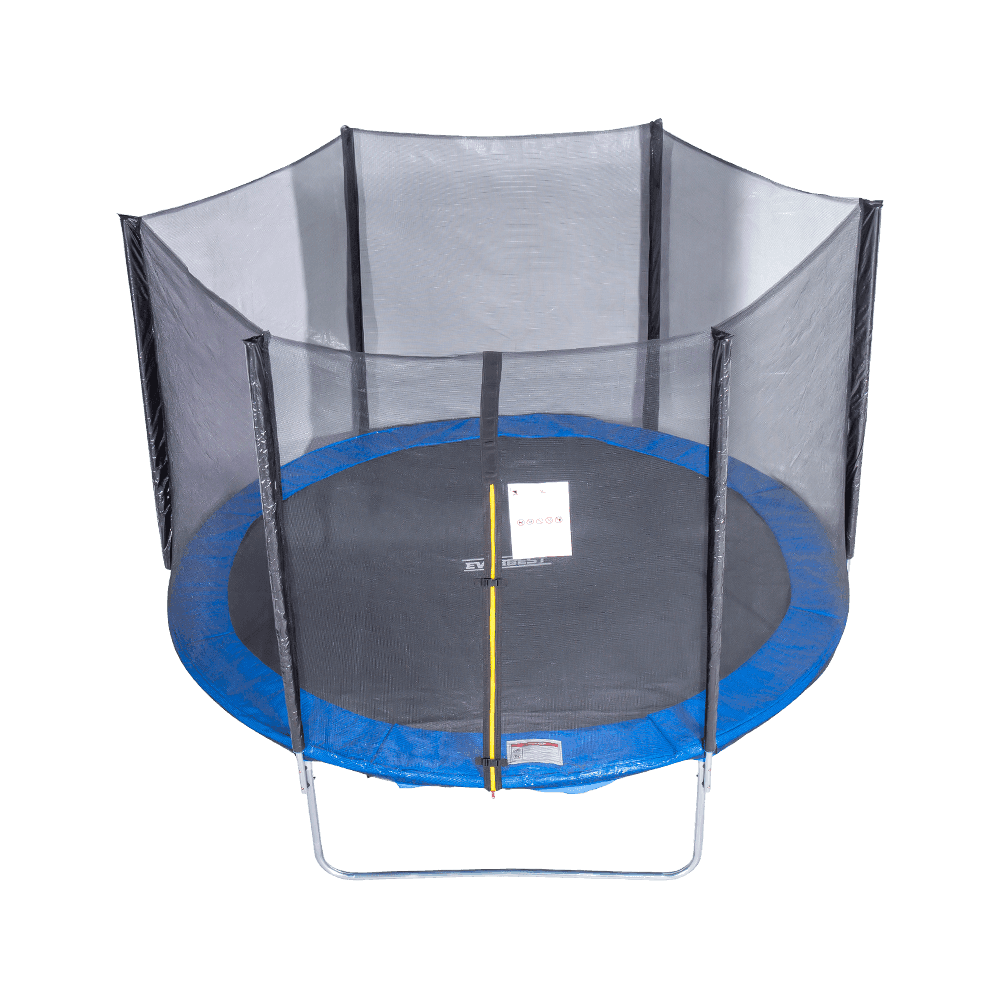
Outdoor trampolines frame pads, also known as safety pads, are your first line of defense against the hard steel frame and springs. Their primary function is to prevent serious injury from accidental impacts. Neglecting them doesn't just make your trampoline look unsightly; it compromises safety. Sun exposure weakens the vinyl, moisture leads to mold and mildew on the foam inside, and accumulated dirt and debris can abrade the material. Regular maintenance extends their life, preserves their protective qualities, and keeps your jumping area safe and clean. A well-maintained pad can often outlast the trampoline's warranty, while a neglected one may need replacing within a single season.
Your Cleaning Toolkit: What You'll Need
Gathering the right supplies before you start makes the process efficient and prevents damage. Avoid harsh chemicals, abrasive scrubbers, or power washers, which can degrade the fabric's waterproof coating and stitching. Stick to these gentle, effective items:
- Mild Detergent: Dish soap or a dedicated vinyl cleaner is ideal.
- Soft-Bristled Brush or Sponge: For scrubbing without scratching.
- Garden Hose with Spray Nozzle: For rinsing; a gentle setting is best.
- Microfiber Cloths or Soft Towels: For drying.
- Bucket of Warm Water: For your cleaning solution.
- Mild Disinfectant (Optional): A diluted white vinegar solution (1 part vinegar to 4 parts water) for mold/mildew.
The Step-by-Step Deep Cleaning Process
Perform this thorough cleaning at least twice a year, in spring and autumn, and after periods of heavy use or extreme weather.
Step 1: Removal and Preliminary Shake-Down
Carefully unhook the pads from the trampoline frame. Lift them off completely—do not drag them, as this can stress the straps and Velcro. Take the pads to an open area like a driveway or lawn. Vigorously shake and beat them to dislodge loose dirt, leaves, and insects trapped inside the foam vents. This preliminary step removes a significant amount of debris before wet cleaning.
Step 2: Surface Washing and Stain Treatment
Lay the pad flat on a clean surface. Fill your bucket with warm water and a small amount of mild detergent. Using the soft brush, gently scrub the vinyl surface in a circular motion, paying extra attention to stained areas, bird droppings, or tree sap. For mold or mildew spots, apply your diluted vinegar solution directly and let it sit for 5-10 minutes before scrubbing. Never use bleach, as it breaks down the vinyl's molecular structure, causing brittleness and cracking.
Step 3: Thorough Rinsing and Core Moisture Prevention
This is the most critical step. Use your garden hose on a gentle, wide spray to thoroughly rinse off all soap residue. Tilt the pad to allow water to run off. Crucially, avoid directing high-pressure water into the ventilation holes or seams. Forcing water inside the pad will saturate the internal foam, which is extremely difficult to dry and will lead to mold, rot, and unpleasant odors. Your goal is to clean only the exterior vinyl surface.
Step 4: Complete Drying Before Reinstallation
Never reinstall a damp pad. Use microfiber cloths to blot excess surface water. Then, prop the pad vertically against a fence or wall in a sunny, airy spot, ensuring it is fully unfolded to promote air circulation around all sides. Allow it to dry completely for at least 24-48 hours. You must be certain the interior foam is dry to the touch—if the pad still feels heavy or cool, it needs more time. Reinstalling a damp pad will trap moisture against the metal frame, accelerating rust.
Proactive Maintenance and Protection Strategies
Cleaning is reactive; these strategies are proactive to minimize future cleaning and maximize pad lifespan.
- UV Protectant Spray: Every 3-4 months, after cleaning and drying, apply a UV protectant spray designed for vinyl or automotive interiors. This creates a barrier against sun damage, the number one cause of fading, cracking, and fabric fatigue.
- Weekly Visual Checks: Briefly walk around the trampoline to secure any loose straps or Velcro and brush off fresh debris like pollen or leaves before it becomes embedded.
- Off-Season Storage: In regions with harsh winters or prolonged rain, remove the pads entirely. Clean and dry them as described, then store them flat or rolled (not folded) in a cool, dry place like a garage or shed.
- Trim Overhanging Branches: Reduce the amount of sap, leaves, and bird droppings that fall onto the trampoline from above.
Troubleshooting Common Frame Pad Issues
Even with care, problems arise. Here’s how to address the most frequent ones.
Addressing Mold, Mildew, and Odors
If you discover mold or a musty smell, act immediately. Mix a solution of one cup of white vinegar per gallon of warm water. Scrub the affected areas vigorously. For persistent odors, sprinkle baking soda lightly over the dry, clean pad, let it sit for several hours, then vacuum or brush it off. This absorbs odors without harming the vinyl.
Assessing Wear and Knowing When to Replace
Regularly inspect for signs of irreparable damage. Safety must come first. Use this guide to evaluate your pads:
| Issue | Action |
| Sun fading or slight surface weathering | Apply UV protectant; continue regular maintenance. |
| Stitching coming loose or small seam tear | Repair immediately with heavy-duty, UV-resistant outdoor thread. |
| Cracked, brittle, or torn vinyl | REPLACE THE PAD. The foam core is exposed and protection is compromised. |
| Waterlogged, permanently damp, or crumbling foam | REPLACE THE PAD. It is a mold hazard and has lost its cushioning ability. |
| Compressed foam that no longer springs back | REPLACE THE PAD. It cannot provide adequate impact protection. |
By incorporating these cleaning routines and proactive care strategies, you transform pad maintenance from a chore into a simple, effective habit. This vigilance ensures your outdoor trampoline remains a safe, clean, and durable source of fun for years, protecting both your investment and the jumpers who use it.
 Previous