

 English
 Deutsch
 русский
Industry News
Round Trampolines: Expert Safety, Size & Buying Advice
Content
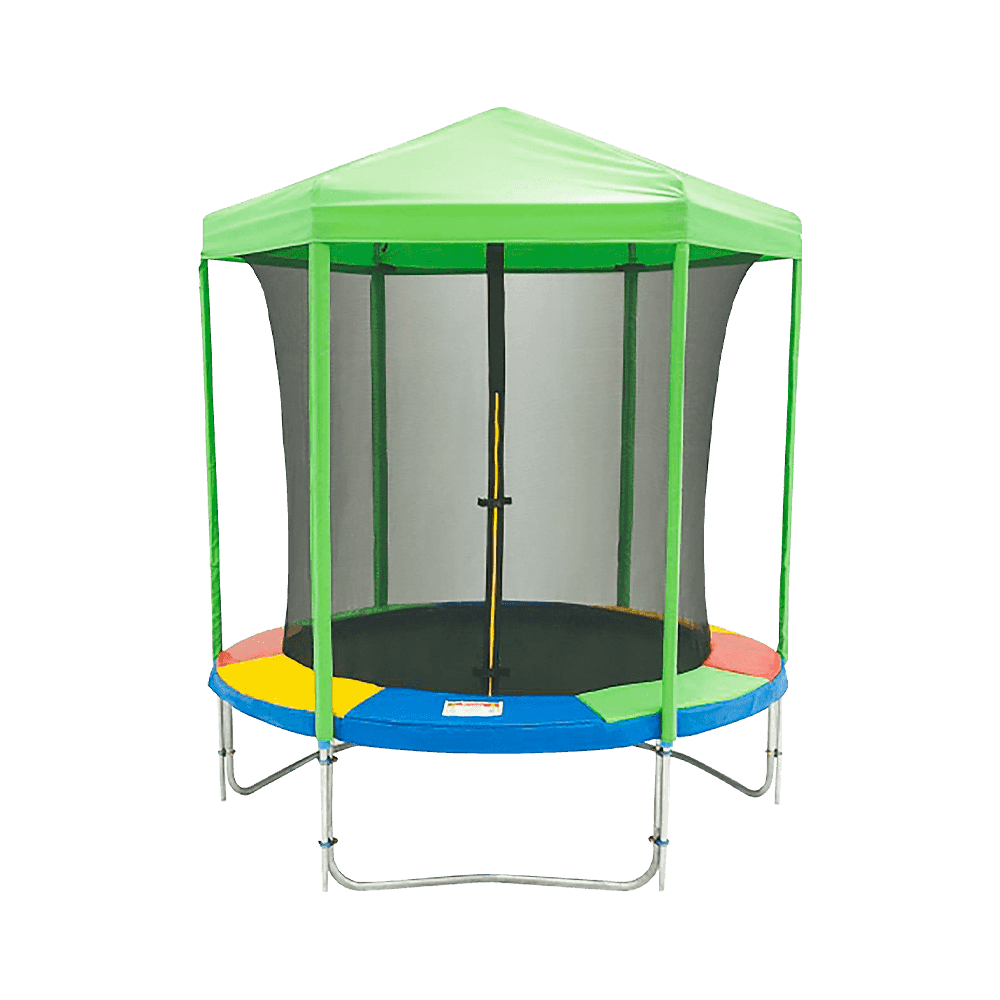
A 45-pound child bouncing five feet high lands with a force exceeding 300 pounds. That kind of energy demands a trampoline designed to direct the jumper back to the center — exactly what a round frame does best. For decades, round trampolines have outsold all other shapes for home use, and the reason sits squarely in physics. The radial spring layout pulls a jumper naturally toward the middle, reducing the risk of landing on the frame or falling off. Combined with modern enclosure net systems, a round design gives parents the most straightforward path to safer backyard bouncing.
How to Choose the Right Round Trampoline Size
Selecting the correct diameter changes everything about bounce quality and safety. Too small and the user outgrows it quickly; too large and it overwhelms the yard. Begin by evaluating the actual available space, not just the lawn size. A 12‑foot trampoline needs a 18‑foot circle of clear ground, plus overhead clearance at least 24 feet high to accommodate bouncing adults.
Clearance Zones Matter More Than You Think
Allocate three feet of horizontal clearance on every side of the frame. That buffer allows the enclosure net to flex without hitting fences, trees, or play equipment. Neglecting this space can tear the net and transfer impact to hard surfaces. Use the table below as a starting point, then confirm your yard’s footprint with a measuring tape.
| Diameter | Ideal User Age | Typical Maximum User Weight | Required Yard Space (diameter + 6 ft) |
|---|---|---|---|
| 8 ft | 3–6 years | 100 lbs | 14 ft circle |
| 10 ft | 5–10 years | 150 lbs | 16 ft circle |
| 12 ft | 8–14 years | 200 lbs | 18 ft circle |
| 14 ft | 12–adult | 250 lbs | 20 ft circle |
| 16 ft | Teens/adult | 300–350 lbs | 22 ft circle |
A trampoline that fills the yard completely leaves no room for the enclosure to flex or for a ladder, so measure twice. An enclosure net needs at least 30 inches of dead space beyond the frame edge to function properly. Overhead clearance is the number‑one sizing mistake families overlook.
Enclosure Nets That Prevent the Most Common Injury
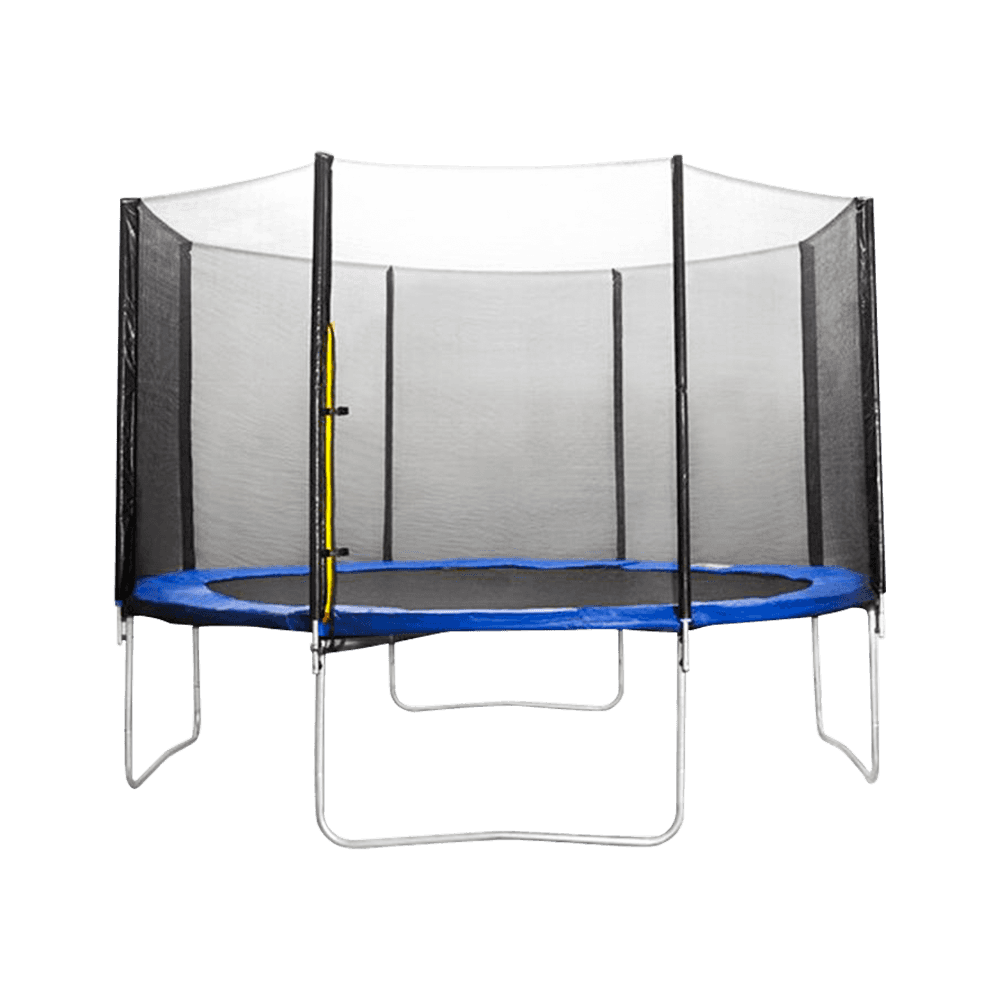
The vast majority of trampoline-related hospital visits stem from falling off the mat. A poorly designed enclosure is worse than none at all if it creates a false sense of security. Modern round trampolines now integrate nets that wrap around the inside of the pole line, physically separating jumpers from the springs and frame edge.
Inside Net vs. Outside Net Designs
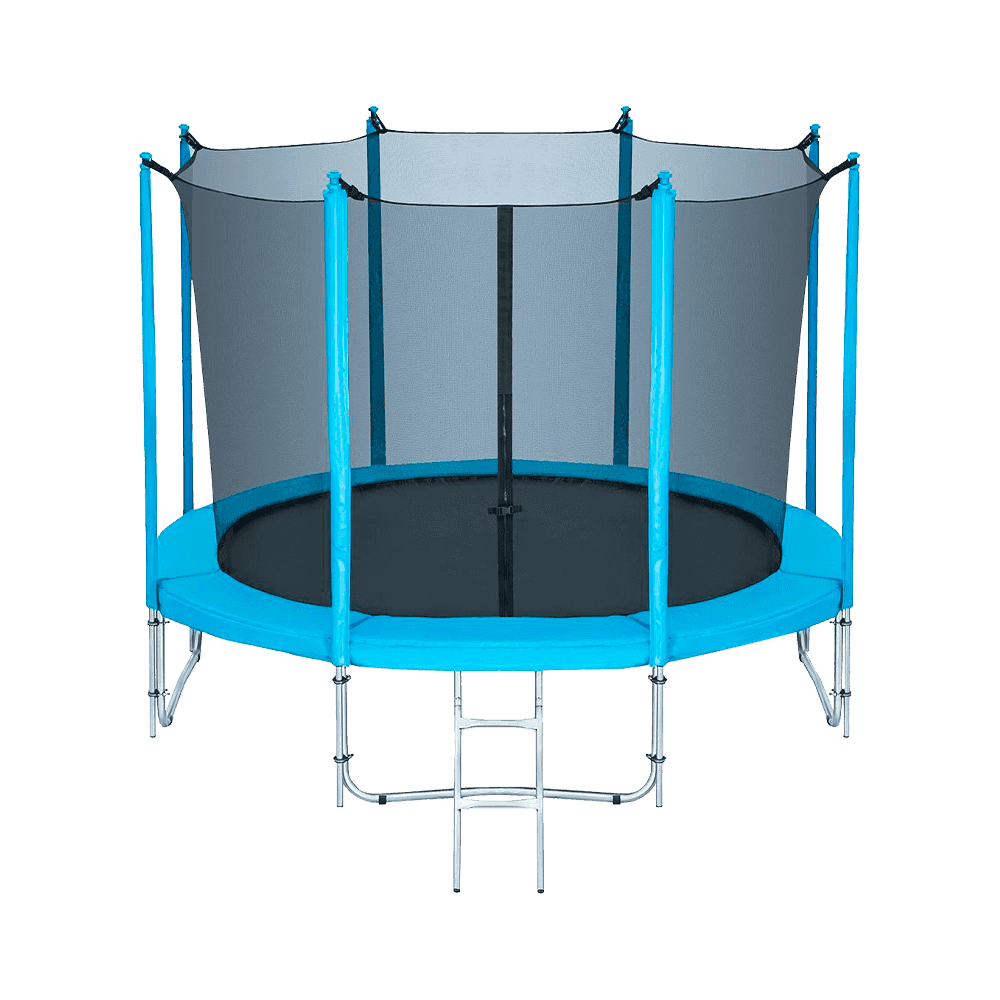
Outside‑net systems attach to the outside of the support poles, leaving a gap between the mat edge and the netting. When padding compresses over time, a child’s foot can slip between the springs. Inside‑net designs attach directly to the mat or the pole caps on the interior side, creating a seamless wall. Inside net designs can cut frame‑contact incidents by more than half compared to older outside‑mount nets. Check for double‑locking zipper covers that prevent little fingers from opening the entrance during use.
Springs, Bungees, and Fiberglass: What’s Under the Mat Matters
The bounce mechanism defines not only the feel but also the maintenance burden and pinch risk. Traditional coiled steel springs deliver a quick, responsive rebound and last a decade if kept dry. They demand thick, full‑coverage padding that wraps over the hooks. Bungee‑cord systems run quieter and reduce metal‑on‑metal wear, but UV exposure degrades the elastic more rapidly. The newest alternative, flexible fiberglass rods, eliminates metal springs entirely by using arched composite tubes positioned beneath the mat. This design removes the pinch points that worry parents most.
Models that replace metal springs with flexible fiberglass rods, such as those in the fiberglass rod round trampoline range, eliminate pinch points entirely while still delivering a smooth bounce. Regardless of the system, inspect the connection points monthly for rust, cracks, or deformation.
Weight Ratings Determine Frame Longevity
The posted maximum user weight is a static measurement for a single, stationary jumper. Real‑world forces multiply dramatically when multiple children jump together. Two 110‑pound siblings bouncing in sync can exceed the instant load threshold of a 200‑pound rating. A frame rated for 250 pounds may fail after repeated 400‑pound dynamic loads. Always assume the total dynamic weight on the mat is at least double the combined weight of all users. For families with several active kids, step up to a 16‑foot model with a 300‑pound rating and welded T‑joints at the leg connections.
Accessories That Protect Your Investment (and Your Kids)
A bare trampoline is an incomplete system. The right add‑ons extend safety, ease the entry and exit for small children, and preserve the expensive mat from premature wear. Think of them as mandatory layers, not optional upgrades.
A sturdy, dedicated trampoline ladder prevents children from scaling the net or springs every time they want to bounce, reducing stress on the frame and accidental slips during dismount. Thick, UV‑resistant safety pads should fully cover the springs and the entire outer rail, and they need replacement every two to three years as the foam compresses. When the jumping surface shows thinning spots or torn stitching, order a high‑quality replacement trampoline mat immediately — a worn mat changes bounce performance and can give way under heavy use.
 Previous
Product Consultation
Search
Categories
Recent Posts
If you have any questions, please fill out the contact form at the bottom of the page and contact us.
Related products

Anhui Qidi Fitness Equipment Co., Ltd.
Quick Links
Contact Details
Tel: 0086-563-4676999
Fax: 0086-563-4676999
Mobile:086-15158243539
Email: [email protected]
Address: Dongpo Industrial Area, Zhongxi Town, Ningguo City, Anhui Province China
Come and Contact Us
You are welcome to contact us at any time, we value your feedback and suggestions.
