

 English
 Deutsch
 русский
Industry News
What Are Trampolines? Complete Guide to Types, Uses & Safety
Content
Understanding Trampolines
A trampoline is a recreational device consisting of a taut fabric stretched over a steel frame using coiled springs. When users jump on the surface, the springs absorb and release energy, propelling them upward in a bouncing motion. Originally developed in the 1930s by George Nissen and Larry Griswold, round trampolines have evolved from circus equipment into popular backyard fixtures, competitive sports apparatus, and fitness tools used by millions worldwide.
The basic structure includes three primary components: a durable jumping mat (typically made from polypropylene or nylon), steel springs or elastic bands that provide tension, and a sturdy metal frame that supports the entire system. Modern trampolines often feature safety enclosures with nets to prevent falls, padding over springs and frames, and weather-resistant materials designed for outdoor use.
Types of Trampolines
Recreational Backyard Trampolines
These are the most common type found in residential settings. Round trampolines ranging from 8 to 15 feet in diameter dominate the market, with 12-foot and 14-foot models being most popular for families. They typically support weight capacities between 200 and 450 pounds and come equipped with safety nets. Rectangular backyard models offer higher bounce capacity and are preferred by older children and adults practicing gymnastics or tricks.
Professional and Competition Trampolines
Olympic and competitive trampolines are rectangular, measuring 14 feet by 7 feet, and provide significantly more bounce power than recreational models. These trampolines can propel athletes to heights exceeding 30 feet and feature specialized spring systems with 100+ springs for consistent performance. They're used in gymnastics training facilities and by professional athletes preparing for competitions.
Mini Trampolines and Rebounders
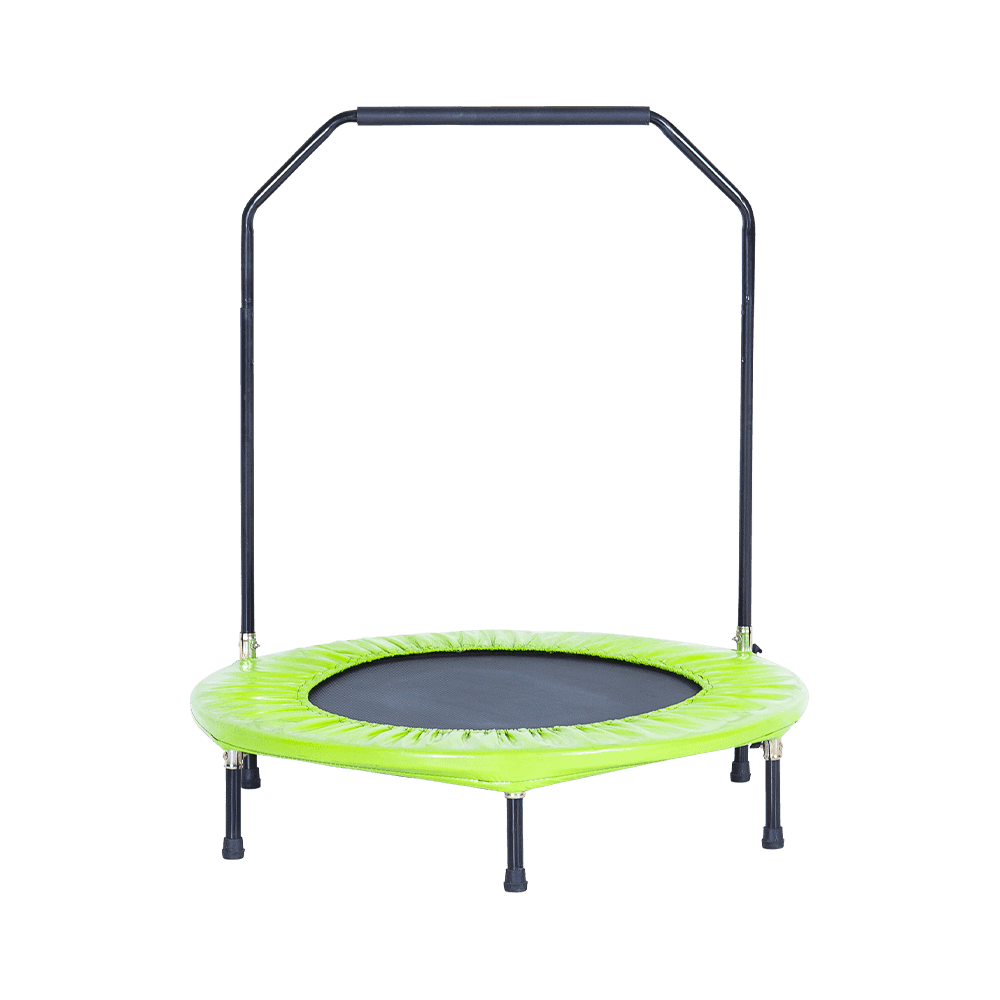
Fitness rebounders are compact trampolines, typically 36 to 48 inches in diameter, designed for indoor exercise. They provide low-impact cardiovascular workouts and are popular among adults for home fitness routines. Unlike larger trampolines, rebounders use bungee cords or tension springs and are built for controlled, smaller bounces rather than high-flying jumps.
In-Ground Trampolines
These trampolines are installed flush with ground level, eliminating the need for ladders and reducing fall distances. They require professional installation with proper excavation and drainage systems but offer enhanced safety and aesthetic appeal. In-ground models typically cost 30-50% more than above-ground equivalents when factoring in installation expenses.
Health and Fitness Benefits
Trampoline exercise, known as rebounding, offers numerous physiological advantages. NASA research has shown that trampolining is 68% more efficient than jogging for cardiovascular conditioning while placing less stress on joints. A 150-pound person burns approximately 160-240 calories during 30 minutes of moderate trampoline jumping, comparable to running at a moderate pace.
The activity strengthens muscles throughout the body, particularly in the legs, core, and back. The constant balance adjustments required during jumping engage stabilizer muscles and improve coordination. Studies indicate that regular trampoline use can increase bone density, enhance lymphatic circulation, and improve balance in both children and adults.
| Activity Duration | Calories Burned (150 lb person) | Impact Level |
|---|---|---|
| 10 minutes light bouncing | 50-70 | Low |
| 30 minutes moderate jumping | 160-240 | Medium |
| 30 minutes vigorous training | 250-350 | Medium-High |
Safety Considerations and Guidelines
Trampoline injuries account for over 100,000 emergency room visits annually in the United States according to the Consumer Product Safety Commission. Most injuries result from multiple users jumping simultaneously, attempting flips without proper training, or falling off the trampoline. Understanding and implementing safety measures significantly reduces risk.
Essential Safety Rules
- Allow only one jumper at a time to prevent collisions
- Install and maintain safety net enclosures around the perimeter
- Position the trampoline away from trees, fences, and structures with at least 8 feet clearance
- Cover springs and frame with thick padding to prevent pinch injuries
- Prohibit somersaults and flips unless under professional supervision
- Supervise children at all times during use
- Restrict access for children under 6 years old on full-size trampolines
Maintenance Requirements
Regular inspection and maintenance extend trampoline lifespan and ensure safety. Check springs monthly for rust or stretching, inspect the mat for tears or weak spots, and tighten frame bolts quarterly. UV exposure degrades materials over time, so manufacturers recommend replacing jump mats every 3-5 years and springs every 2-3 years depending on usage frequency. During winter months in cold climates, either disassemble the trampoline or use a weather cover to protect components.
Choosing the Right Trampoline
Selecting an appropriate trampoline depends on available space, intended users, and budget. For families with young children, a 10-12 foot round trampoline with a safety enclosure provides adequate jumping space while fitting most yards. Budget considerations range from $200 for basic models to over $2,000 for premium trampolines with advanced safety features and warranties.
Key Selection Factors
- Size and shape: Round models distribute weight evenly toward center; rectangular provide higher, more controlled bounces
- Weight capacity: Ensure the limit exceeds the heaviest anticipated user by at least 50 pounds
- Spring count: More springs (72-96 for 12-foot models) provide better bounce consistency
- Frame construction: Galvanized steel with 14-gauge thickness resists rust and supports heavy use
- Safety features: Prioritize models with enclosed nets, thick padding, and reinforced stitching
- Warranty coverage: Quality manufacturers offer 3-10 year warranties on frames and 1-3 years on mats
Competitive Trampoline Sports
Trampoline gymnastics became an Olympic sport in 2000, featuring individual and synchronized events where athletes perform acrobatic routines involving twists, somersaults, and complex aerial maneuvers. Competitors execute 10 consecutive skills reaching heights of 25-30 feet, judged on difficulty, execution, and time of flight. The sport requires years of dedicated training and specialized coaching.
Beyond Olympic competition, trampoline parks have emerged as commercial entertainment venues combining recreational jumping with dodgeball, basketball, and obstacle courses. The trampoline park industry generates over $1 billion annually in the United States alone, with facilities implementing structured safety protocols including mandatory grip socks, time-limited sessions, and trained court monitors.
Environmental and Storage Considerations
Outdoor trampolines require level ground and adequate drainage to prevent water accumulation beneath the frame. Positioning on grass rather than concrete reduces injury severity from falls outside the enclosure. Most trampolines withstand wind speeds up to 40 mph when properly anchored, but severe weather necessitates additional tie-down stakes or temporary disassembly.
For seasonal storage, disassembling the trampoline protects components from extreme weather. The process typically takes 2-3 hours with two people and requires basic tools. Alternative weatherproof covers protect assembled trampolines during winter while allowing some flexibility for occasional use. Store removed components in a dry location to prevent rust and material degradation.
 Previous
Product Consultation
Search
Categories
Recent Posts
If you have any questions, please fill out the contact form at the bottom of the page and contact us.
Related products

Anhui Qidi Fitness Equipment Co., Ltd.
Quick Links
Contact Details
Tel: 0086-563-4676999
Fax: 0086-563-4676999
Mobile:086-15158243539
Email: [email protected]
Address: Dongpo Industrial Area, Zhongxi Town, Ningguo City, Anhui Province China
Come and Contact Us
You are welcome to contact us at any time, we value your feedback and suggestions.
