

 English
 Deutsch
 русский
Industry News
Best Trampolines for Adults: What You Need to Know
Content
- 1 Why Adults Are Turning to Trampolines for Fitness
- 2 Types of Trampolines Suitable for Adults
- 3 Key Specs to Check Before Buying
- 4 Top Trampolines for Adults Worth Considering
- 5 Safety Guidelines Adults Should Follow
- 6 How to Start a Trampoline Workout Routine as an Adult
- 7 Indoor vs. Outdoor Trampolines for Adults: Which Is Right for You?
Adults can absolutely use trampolines — and should. Jumping on a trampoline for just 10 minutes burns roughly the same calories as 30 minutes of running, according to NASA research, while putting significantly less stress on joints. Whether you're looking for a low-impact cardio workout, a fun backyard activity, or a fitness tool for rebounding exercises, there's a trampoline built for adult use. The key is choosing one with the right weight capacity, size, and safety features.
Why Adults Are Turning to Trampolines for Fitness
Rebounding — the term used for trampoline-based exercise — has gained serious traction in the fitness world. It's not just for kids. A study published in the Journal of Applied Physiology found that rebounding improves cardiovascular fitness, balance, and muscle strength simultaneously. Athletes use it for low-impact cross-training, while older adults find it easier on knees and hips compared to running on pavement.
Key benefits adults experience include:
- Improved lymphatic circulation and immune response from rhythmic bouncing
- Up to 68% less impact on joints compared to running on a hard surface
- Core strengthening through constant balance adjustment
- Improved coordination and proprioception
- Mental health benefits similar to other aerobic exercises
Types of Trampolines Suitable for Adults
Not all trampolines are designed with adult use in mind. Here's a breakdown of the main types and how they serve adult users:
Mini Rebounders
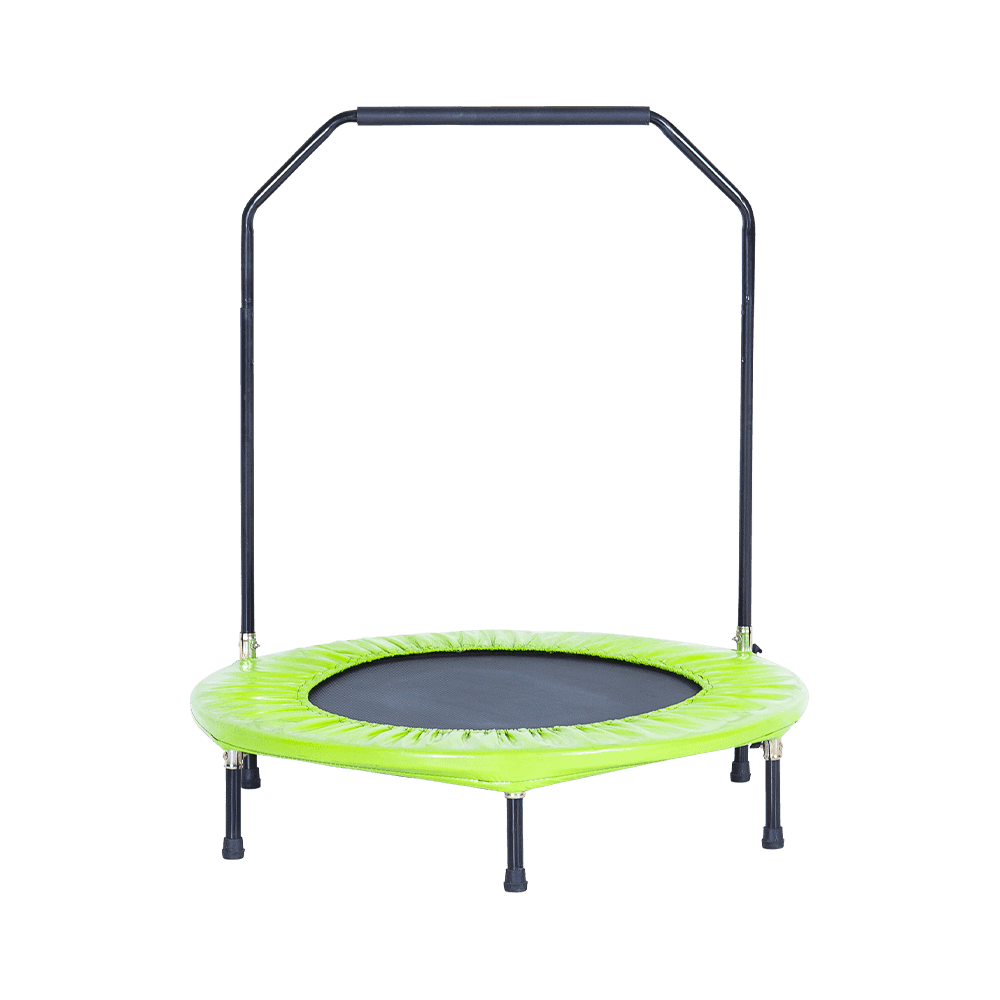
These compact trampolines (typically 36–50 inches in diameter) are designed specifically for adults doing fitness workouts indoors. Brands like Bellicon and JumpSport offer bungee-cord models with weight capacities up to 330 lbs. They're ideal for low-intensity cardio, lymphatic drainage exercises, and daily use in small spaces.
Full-Size Backyard Trampolines
These range from 12 ft to 16 ft and are built for recreational use. Adult-rated models typically support 250–375 lbs. Brands like Springfree and Skywalker make heavy-duty options with safety enclosures and UV-resistant materials. A 15 ft trampoline gives adults enough room to move freely without feeling cramped.
Olympic and Performance Trampolines
Used by gymnasts and competitive athletes, these offer maximum bounce height and precision. They're expensive (often $2,000+) and require open overhead space, but they're engineered for adult-weight loads and intense use.
Key Specs to Check Before Buying
Adults need to pay closer attention to specs than children do, because standard consumer trampolines often aren't rated for adult weight or frequent use. Here's what to look for:
| Feature | Minimum for Adults | Recommended |
|---|---|---|
| Weight Capacity | 250 lbs | 330–400 lbs |
| Frame Thickness | 1.5 mm steel | 2.0–2.5 mm galvanized steel |
| Spring Count (outdoor) | 72 springs | 96+ springs |
| Mat Material | Polypropylene | Permatron or woven PP |
| Safety Enclosure | Optional for experienced users | Always recommended |
One frequently overlooked factor is spring length. Longer springs (7–8.5 inches) provide a deeper, more forgiving bounce that's gentler on adult joints. Short springs create a stiffer, harder bounce more suitable for younger, lighter users.
Top Trampolines for Adults Worth Considering
These are consistently well-reviewed options across adult fitness and recreational use categories:
Best for Indoor Fitness: Bellicon Classic Rebounder
Bellicon's bungee-cord system eliminates the harsh metal spring impact. Available in three tension levels and supporting up to 330 lbs, it's widely used in physical therapy and cardio training. The 49-inch model is the most popular for home use.
Best Outdoor Option: Springfree Trampoline Large Square
Springfree's patented design removes the hard metal frame from the jumping zone entirely, reducing injury risk by up to 90% compared to traditional trampolines according to their internal testing. The large square model supports up to 330 lbs and offers a 10-year frame warranty.
Best Budget Pick: Zupapa 15 FT Trampoline
For adults who want a full-sized outdoor trampoline without a premium price, Zupapa's 15 ft model supports 375 lbs, includes a safety net enclosure, and uses galvanized steel legs. It consistently earns high marks for durability relative to its price point.
Safety Guidelines Adults Should Follow
Adults tend to underestimate trampoline risks because they feel in control. However, the U.S. Consumer Product Safety Commission (CPSC) reports over 100,000 trampoline-related emergency room visits annually, with a significant portion involving adults. Responsible use reduces this risk dramatically.
- Always jump in the center of the mat — edge landings cause the most injuries
- One jumper at a time on recreational trampolines
- Inspect springs, mat, and frame padding before each use
- Avoid attempting flips or tricks without proper training
- Use grip socks on rebounders; bare feet are preferred on outdoor mats
- Anchor outdoor trampolines to the ground if you live in a windy area
Adults with existing joint conditions, osteoporosis, or recent surgeries should consult a physician before starting a rebounding routine. The low-impact nature of bouncing is generally safe, but individual circumstances vary.
How to Start a Trampoline Workout Routine as an Adult
If you're new to rebounding, start conservatively. Even gentle bouncing activates muscle groups throughout the body. Here's a simple progression plan:
- Week 1–2: 5–10 minutes of light health bouncing (feet stay on mat, gentle rhythmic movement)
- Week 3–4: Introduce low jumps, marching in place, and light jogging motion on the rebounder
- Week 5–6: Add intervals — 30 seconds of active jumping, 30 seconds of rest — for 15–20 minutes total
- Week 7+: Build to 20–30 minute sessions with varied movements including twists, kicks, and arm coordination drills
Even at a moderate pace, 20 minutes of rebounding burns approximately 160–200 calories for an average adult. Consistency matters more than intensity when you're starting out.
Indoor vs. Outdoor Trampolines for Adults: Which Is Right for You?
Your choice largely depends on your goals and available space. Here's a side-by-side perspective:
- Indoor rebounder: Best for daily fitness routines, apartment living, year-round use, physical therapy, and low-intensity exercise
- Outdoor full-size: Better for recreational fun, higher jumps, social use, and families that include both adults and children
If your primary goal is fitness, a quality indoor rebounder like Bellicon or JumpSport delivers better value per dollar than a large backyard trampoline. If you want a versatile recreational setup that adults can actually enjoy without feeling overcrowded, go with a 14 ft or 15 ft outdoor model rated for at least 330 lbs.
 Previous
Product Consultation
Search
Categories
Recent Posts
If you have any questions, please fill out the contact form at the bottom of the page and contact us.
Related products

Anhui Qidi Fitness Equipment Co., Ltd.
Quick Links
Contact Details
Tel: 0086-563-4676999
Fax: 0086-563-4676999
Mobile:086-15158243539
Email: [email protected]
Address: Dongpo Industrial Area, Zhongxi Town, Ningguo City, Anhui Province China
Come and Contact Us
You are welcome to contact us at any time, we value your feedback and suggestions.
