

 English
 Deutsch
 русский
Industry News
How Do I Prevent Tipping Over While Using Tent Trampolines?
Content
- 1 Understanding Why Tent Trampolines Might Tip Over
- 2 Choosing the Right Location
- 3 Proper Assembly and Regular Maintenance
- 4 Weight Limits and User Guidelines
- 5 Anchoring and Stabilization
- 6 Weather Considerations
- 7 Teaching Safe Jumping Practices
- 8 Regular Inspections and Repairs
- 9 Additional Safety Features
- 10 When to Seek Professional Advice
- 11 Conclusion
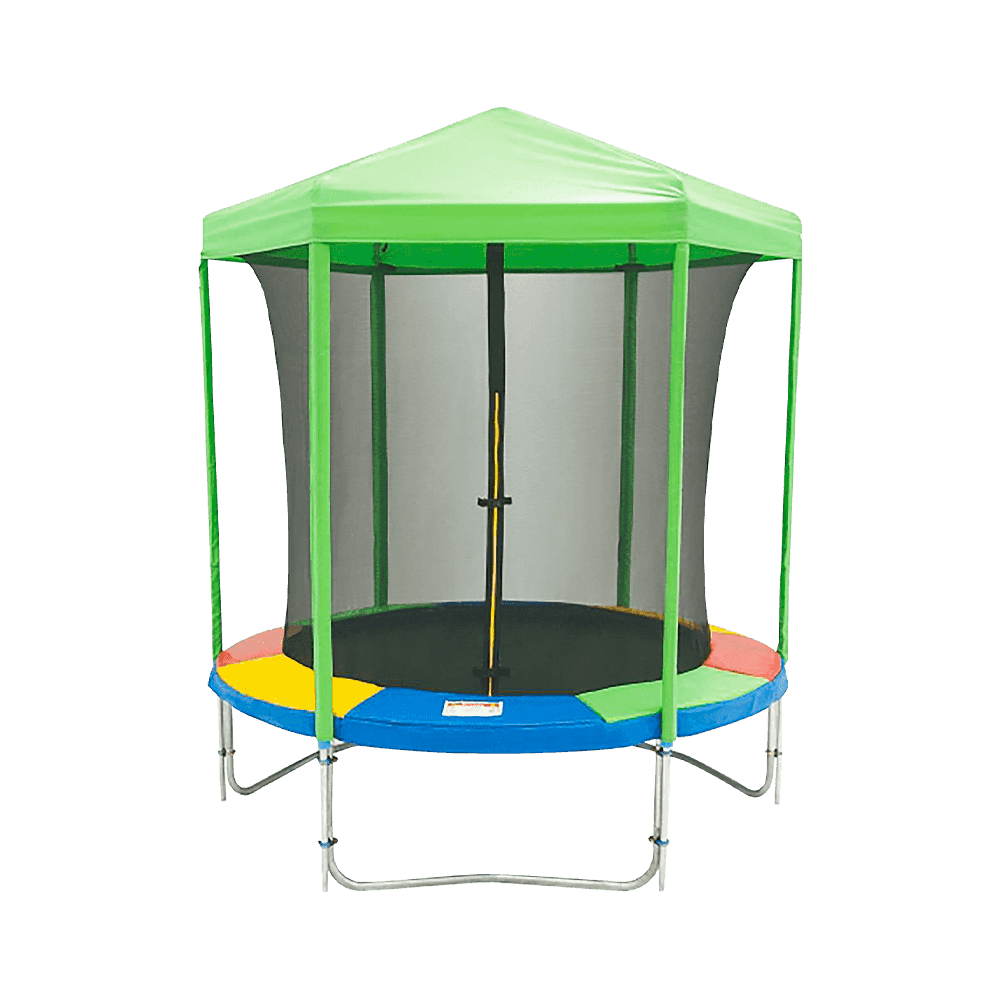
Tent trampolines have become increasingly popular for outdoor recreation and family fun. They combine the excitement of jumping with the unique feature of a protective tent or enclosure, offering children and adults a secure way to enjoy bouncing. However, like any recreational equipment, safety is a critical concern. One of the most common risks associated with tent trampolines is tipping over. Understanding how to prevent tipping can ensure a safe and enjoyable experience for all users.
Understanding Why Tent Trampolines Might Tip Over
Before discussing prevention, it’s important to understand why tipping can occur. Tent trampolines are generally lightweight and elevated, which can make them susceptible to instability if certain precautions are not taken. Some common causes include:
- Uneven or Sloped Ground: If a trampoline is set up on an uneven surface, one side may be higher than the other, increasing the risk of tipping.
- Overloading or Unequal Weight Distribution: Exceeding the manufacturer’s weight limit or having multiple jumpers concentrated on one side can destabilize the trampoline.
- Strong Winds or Weather Conditions: Tent trampolines are particularly vulnerable to tipping in windy conditions due to their lightweight frames and tent structures.
- Improper Assembly: A trampoline that is not assembled according to the instructions may be more likely to tip over. Loose bolts, uneven legs, or misaligned parts compromise stability.
- Active Play Near Edges: Jumping close to the edges of the trampoline can shift the center of gravity and increase tipping risk.
Understanding these factors is the first step in preventing tipping and ensuring a safe play environment.
Choosing the Right Location
One of the most effective ways to prevent tipping is selecting a safe and stable location for your tent trampoline:
- Flat and Level Surface: Always set up the trampoline on a flat, level surface. Grass or a firm outdoor surface is ideal. Avoid slopes, hills, or uneven terrain.
- Clear Surroundings: Ensure there is sufficient clearance around the trampoline, free from trees, fences, or garden tools. This reduces the risk of collisions if a tip occurs.
- Avoid Hard Surfaces: Setting up on concrete or asphalt increases the severity of injuries in the unlikely event of tipping. Grass or rubber matting provides cushioning.
- Avoid Wind-Prone Areas: Do not place the trampoline in areas prone to strong gusts, such as hilltops or open fields without windbreaks.
Proper Assembly and Regular Maintenance
A secure and stable trampoline starts with proper assembly. Follow the manufacturer’s instructions meticulously:
- Check All Bolts and Screws: Make sure all components are tightly secured. Loose parts reduce stability and increase the risk of tipping.
- Ensure Even Legs: Some tent trampolines come with adjustable legs. Ensure each leg is firmly in contact with the ground and evenly positioned.
- Verify Tent Structure: The tent or enclosure should be securely fastened to the trampoline frame. Flapping or loose fabric can destabilize the trampoline in windy conditions.
- Regular Maintenance Checks: Inspect your trampoline regularly for wear and tear, bent legs, or damaged frame components. Replacing compromised parts promptly helps maintain balance and safety.
Weight Limits and User Guidelines
Adhering to weight limits and usage guidelines is crucial in preventing tipping:
- Observe Maximum Weight: Each tent trampoline has a specified weight limit. Exceeding this limit stresses the frame and can cause tipping or collapse.
- Limit Multiple Jumpers: Even if the total weight is under the maximum, uneven weight distribution from multiple jumpers can be dangerous. Ideally, limit the trampoline to one jumper at a time.
- Supervision: Always supervise children during trampoline use. Adults can help prevent risky behavior, like jumping too close to edges or attempting stunts.
Anchoring and Stabilization
One of the most effective ways to prevent tipping is by anchoring the trampoline securely:
- Use Ground Stakes or Anchors: Many tent trampolines come with anchor kits. These secure the legs to the ground, providing additional stability.
- Sandbags or Weights: If anchors are not available, heavy sandbags or weights around the base can reduce movement and tipping risk.
- Avoid DIY Anchoring on Hard Surfaces: Hammering stakes into concrete or using inappropriate anchors can damage the trampoline or create safety hazards.
Weather Considerations
Weather plays a significant role in trampoline safety:
- Avoid Use in High Winds: Strong gusts can tip lightweight trampolines, even when anchored. Do not use the trampoline during storms or high wind conditions.
- Remove or Disassemble in Extreme Weather: For seasonal or temporary setups, consider disassembling the trampoline during winter or storms to prevent accidents.
- Check for Wet Surfaces: Wet or slippery grass can reduce friction at the base, increasing tipping risk. Allow the area to dry before use.
Teaching Safe Jumping Practices
Behavioral factors contribute significantly to tipping incidents. Teaching users safe practices reduces the risk:
- Stay Near the Center: Encourage users to jump in the middle of the trampoline. Avoiding edges keeps the center of gravity stable.
- Avoid Stunts: Somersaults, flips, or aggressive bouncing can shift weight unevenly and destabilize the trampoline.
- Limit Bouncing Height for Children: Excessive height increases momentum, which can tip the trampoline if combined with off-center landing.
- Exit Safely: Teach children to step down carefully instead of jumping off from the edges.
Regular Inspections and Repairs
Frequent checks ensure ongoing safety:
- Check for Bent Frames or Legs: Even slight warping can make the trampoline unstable.
- Inspect Fabric and Tent Enclosure: Torn or loose tent material can affect weight distribution and wind resistance.
- Tighten Loose Parts: Bolts, screws, and connectors can loosen over time, especially with frequent use.
- Replace Damaged Parts Promptly: Never attempt to use a trampoline with compromised components.
Additional Safety Features
Some tent trampolines come with extra features that enhance stability:
- Enclosed Nets: These prevent users from falling off, which indirectly reduces tipping risk by keeping weight centered.
- Wider Base Frames: A wider frame increases stability and reduces the chance of tipping.
- Shock-Absorbing Pads: These reduce impact on the frame and maintain balance during jumps.
When to Seek Professional Advice
In some cases, professional guidance is necessary:
- Persistent Instability: If the trampoline wobbles even after proper assembly and anchoring, contact the manufacturer for advice.
- Replacement Parts: Ensure replacement parts are genuine and correctly installed. Using incompatible parts may compromise stability.
- Heavy Use or Commercial Settings: For trampoline parks or heavy household use, professional installation or reinforced models may be recommended.
Conclusion
Preventing tipping over while using tent trampolines requires a combination of proper setup, user awareness, and regular maintenance. By choosing a stable location, securing the trampoline, following weight limits, teaching safe jumping practices, and monitoring weather conditions, you can significantly reduce the risk of accidents. Remember that supervision, especially for children, is essential for maintaining a safe and enjoyable bouncing experience. With careful attention to these factors, tent trampolines can provide hours of safe, active fun for the whole family.
 Previous
Product Consultation
Search
Categories
Recent Posts
If you have any questions, please fill out the contact form at the bottom of the page and contact us.
Related products

Anhui Qidi Fitness Equipment Co., Ltd.
Quick Links
Contact Details
Tel: 0086-563-4676999
Fax: 0086-563-4676999
Mobile:086-15158243539
Email: [email protected]
Address: Dongpo Industrial Area, Zhongxi Town, Ningguo City, Anhui Province China
Come and Contact Us
You are welcome to contact us at any time, we value your feedback and suggestions.
