
 English
 Deutsch
 русский
Industry News
Home / Blogs / Industry News / Mini Trampolines: Types, Fitness Benefits, Safety Standards, and Buying Tips
Content
A 55-inch mini trampoline folded against an apartment wall, a compact rebounder in a home gym corner, a small bouncing deck in a kids' playroom — mini trampolines keep appearing in everyday spaces because they solve a concrete problem: how to get meaningful movement without the footprint of a full-size trampoline. After more than a decade of building trampolines and exporting them to overseas retail chains, the clearest lesson is this: the right mini trampoline is the one matched to your floor space, your body weight, and the kind of use you actually plan for. Everything else, from brand names to decorative extras, matters far less.
Mini trampolines typically measure 36 to 55 inches in diameter, with most household models landing between 40 and 48 inches. Frame height usually sits between 10 and 14 inches, keeping the jumping surface low and the center of gravity close to the ground. That geometry explains why mini trampolines feel stable: the jumper never rises far from the mat, so falls are short and less impactful than on a full-size garden trampoline.
Three physical details separate a safe, durable model from a disappointing one:
These factors determine not only how the trampoline performs, but how long it lasts. A galvanized frame on a 55-inch model, for example, holds up far longer outdoors than a painted frame with thin steel.
Mini trampolines are not one product. The difference between a rebounder for cardio training and a small trampoline for a toddler is significant, and choosing the wrong type is the most common reason buyers feel disappointed.
| Type | Diameter | Best for | Key characteristics |
|---|---|---|---|
| Fitness rebounder | 40–48 in | Cardio, weight loss, low-impact workouts | Firm mat, consistent bounce, often foldable |
| Children's mini trampoline | 36–40 in | Indoor active play, coordination practice | Lower weight limit, soft edges, optional handle |
| Handle-bar model | 40–48 in | Seniors, balance training, rehabilitation | Support bar, wider base, gentler mat tension |
| Springless mini trampoline | 42–55 in | Quiet indoor use, durability focus | Composite rods instead of springs, reduced noise |
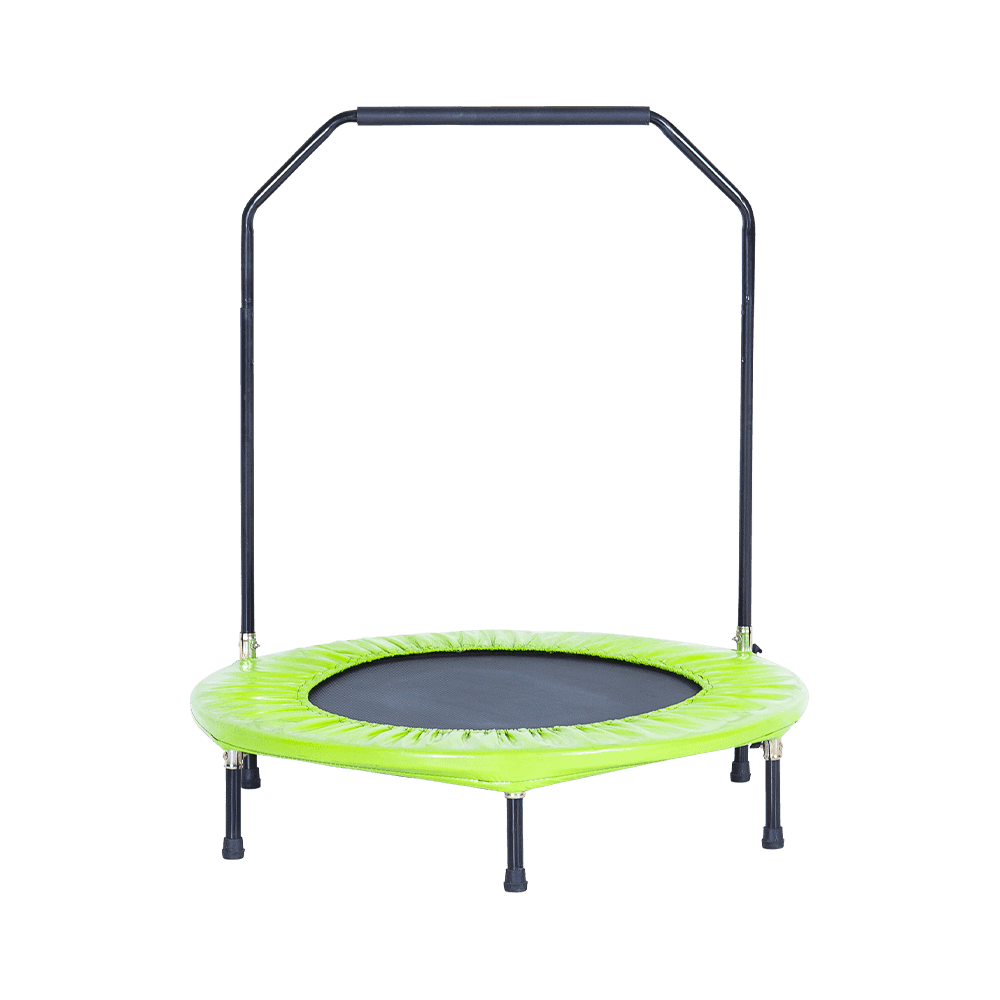
For families with young children, a foldable children's mini trampoline with padded edges and a low frame gives small jumpers a safe outlet for energy indoors. Adults looking for a daily movement routine are better served by a fitness-focused model, which we cover in the next section.
 Wholesale Fold Children Mini Trampolines Suppliers, Company - Anhui Qidi FitnessAnhui Qidi Fitness Equipment Co., Ltd is China Fold Children Mini Trampoline Suppliers and wholesale Fold Children Mini Trampolines Compa...View Product →
Mini trampoline exercise, often called rebounding, has built a strong reputation because it delivers measurable results with low joint impact. The mat absorbs part of the landing force, which makes jumping easier on knees and ankles than running on hard surfaces. At the same time, the instability of the mat forces small stabilizing muscles in the feet, legs, and core to work constantly, so the body consumes more energy than the simple vertical movement suggests.
The practical evidence supports this. Research on rebound exercise consistently points to improvements in cardiovascular endurance, balance, and coordination. For a detailed look at the numbers, our article on whether mini trampolines are good for weight loss breaks down caloric expenditure and training frequency. What matters for a buyer is that a mini trampoline can genuinely support weight management, but only with consistent use — which is why comfort and build quality matter more than marketing claims.
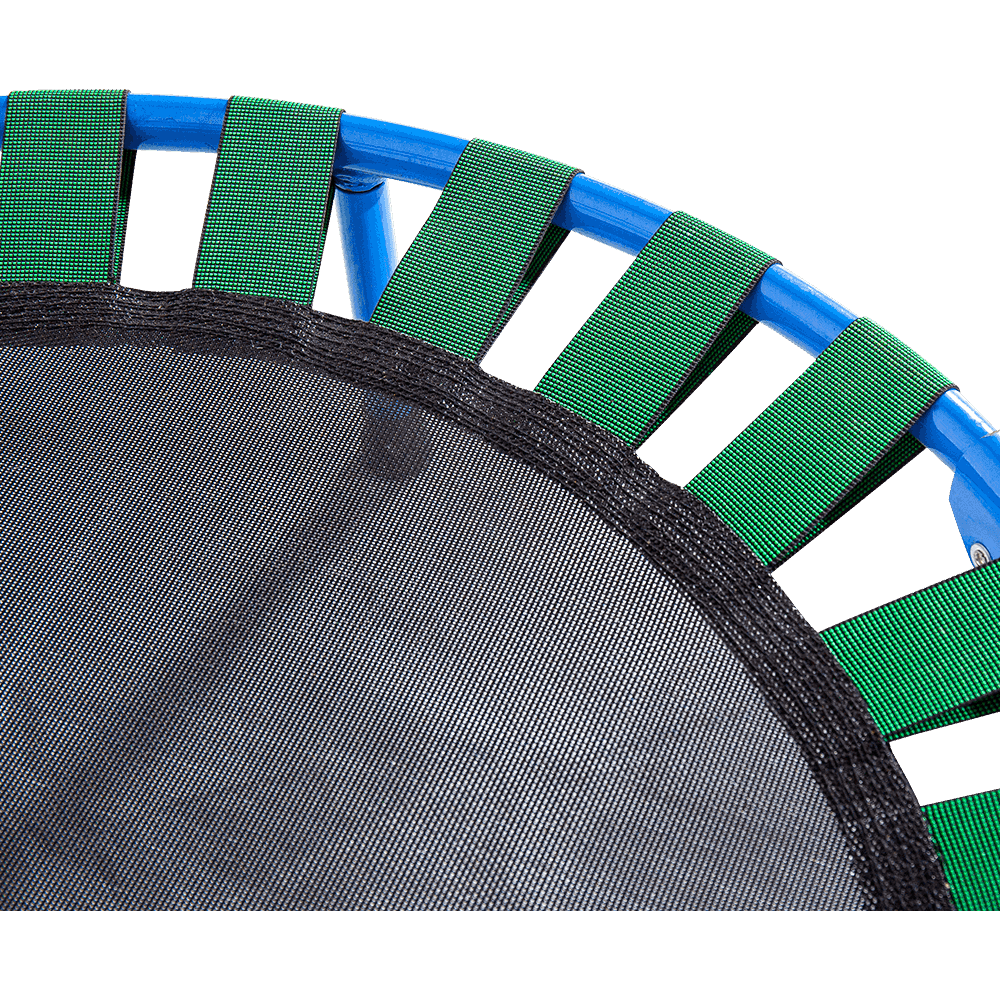
If your main goal is general fitness at home, choose a model with a mat you can jump on confidently. Many experienced users prefer a fitness mini trampoline designed for indoor and outdoor workouts because it offers a larger jumping surface and a frame stable enough for daily use.
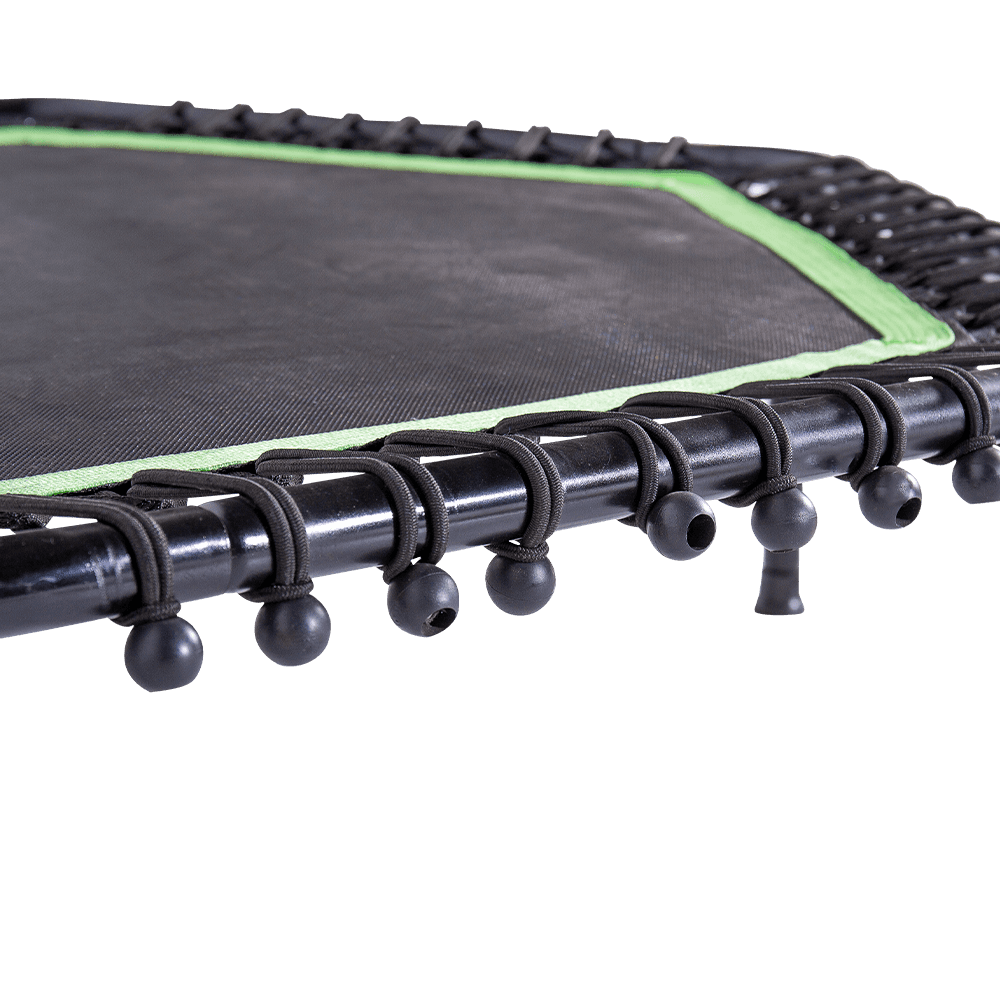 Wholesale Fitness Mini Trampolines For Indoors And Outdoors Suppliers, Company -Anhui Qidi Fitness Equipment Co., Ltd is China Fitness Mini Trampoline For Indoors And Outdoors Suppliers and wholesale Fitness Mini Tram...View Product →
Safety on a mini trampoline is not a single feature; it is the sum of padding, frame design, mat quality, and the standards the product complies with. In Europe, the EN71 toy safety standard and the GS mark, issued after independent German testing, are the most recognized credentials. REACH certification restricts hazardous chemicals in materials, and EN13219 sets specific performance and safety requirements for trampolines. A product carrying these certifications has passed documented testing rather than relying on the manufacturer's own claims.
On the product itself, inspect three things:
For users who need extra balance support, an adjustable-handle mini trampoline with a stable support bar reduces the risk of tipping and gives first-time jumpers a way to build confidence gradually.
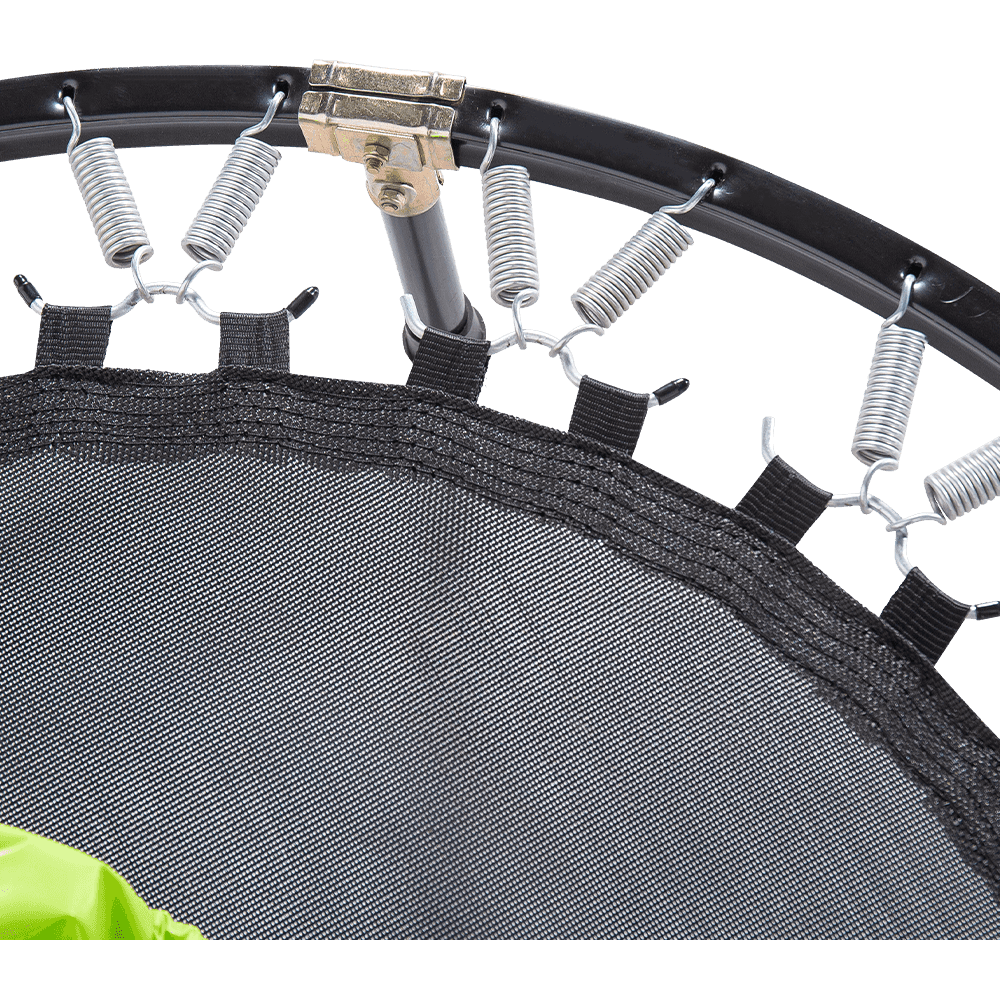 Wholesale Adjustable Handle Mini Trampolines Suppliers, Company - Anhui Qidi FitAnhui Qidi Fitness Equipment Co., Ltd is China Adjustable Handle Mini Trampoline Suppliers and wholesale Adjustable Handle Mini Trampolin...View Product →
When you compare mini trampolines side by side, four specifications will tell you more than the color scheme ever will.
If the trampoline will stay in one place, a non-folding model is structurally simpler and often more stable. If you plan to move it between rooms or store it, test the folding action before you buy.
Indoor and outdoor mini trampolines are exposed to completely different conditions, and the materials have to change accordingly. Indoors, the main concerns are noise on hard floors and the trampoline sliding during use. Outdoors, the frame must handle direct sunlight, moisture, and temperature swings without rusting or fading.
The distinction goes beyond where you place the trampoline. For example, indoor and outdoor mini trampolines differ in more than size — outdoor models need corrosion-resistant frames and UV-stabilized mats, while indoor models can prioritize quiet bounce and floor protection. If you want a single unit for both settings, choose one with a galvanized frame and UV-resistant PP mat, and add a protective mat underneath when using it indoors.
The most common cause of a prematurely worn mini trampoline is not heavy use — it is neglect. Tension loss happens gradually, and most users notice it only when the bounce starts to feel flat. A simple maintenance routine prevents this:
If you use the trampoline on a hard indoor floor, adding a rubber mat underneath reduces both sliding and noise. Keeping the mat clean also prevents the tiny grit particles that gradually wear down the stitching and the jumping surface.
A mini trampoline earns its space only when it matches the user. For a child's first jumping experience, choose a low, padded, foldable model with a modest weight limit. For an adult fitness routine, invest in a 40-inch or larger model with a galvanized steel frame, a taut PP mat, and easy-to-replace springs or rods. For seniors or anyone recovering from an injury, a handle-bar model adds the stability that makes low-impact exercise feel safe.
Check the three safety details — padding coverage, weight limit, and leg stability — before any aesthetic preference. Confirm the frame material and mat composition for your environment. And plan to maintain it, because a mini trampoline that is kept clean and inspected regularly will easily outlast one that is forgotten after assembly. That combination of correct selection and simple upkeep is what separates a purchase that gets used from one that gets stored.
If you have any questions, please fill out the contact form at the bottom of the page and contact us.

Anhui Qidi Fitness Equipment Co., Ltd.
Tel: 0086-563-4676999
Fax: 0086-563-4676999
Mobile:086-15158243539
Email: [email protected]
Address: Dongpo Industrial Area, Zhongxi Town, Ningguo City, Anhui Province China
You are welcome to contact us at any time, we value your feedback and suggestions.