
 English
 Deutsch
 русский
Industry News
Home / Blogs / Industry News / Round Trampolines: The Complete Practical Guide to Choosing, Installing, and Maintaining
Content
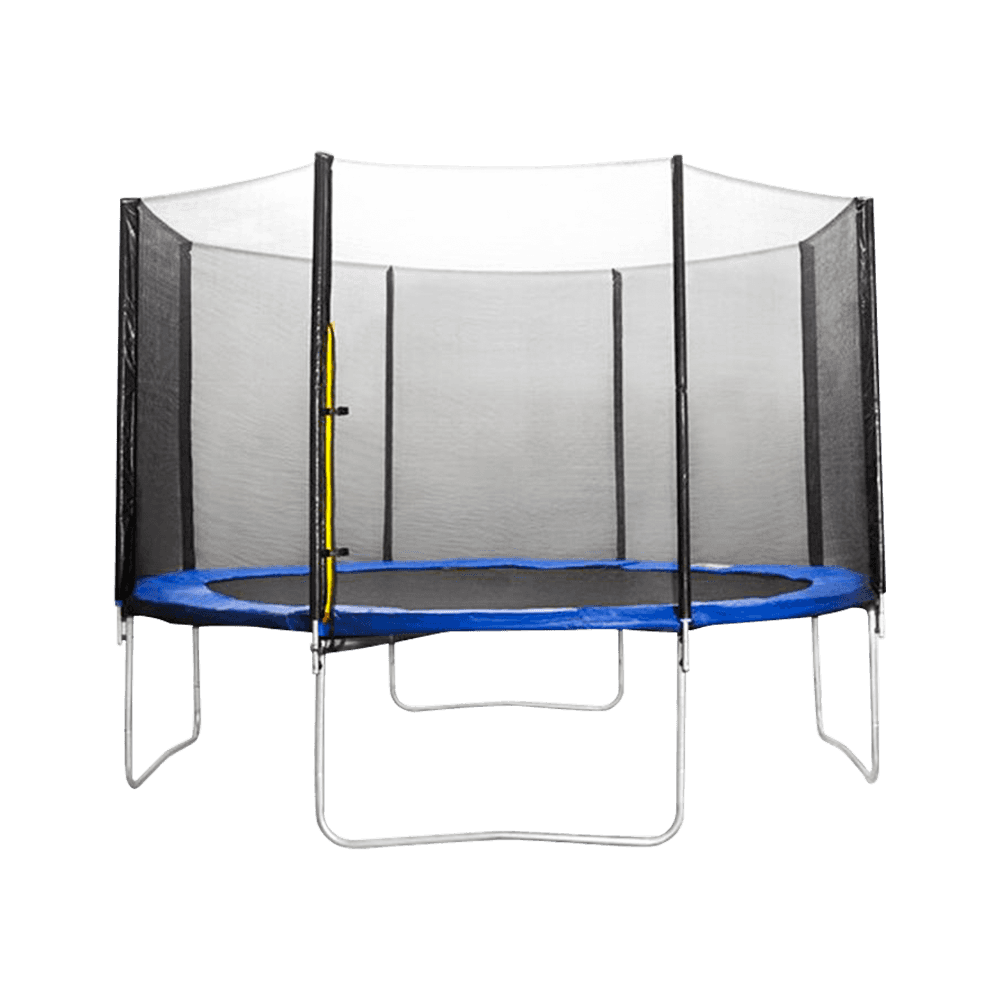
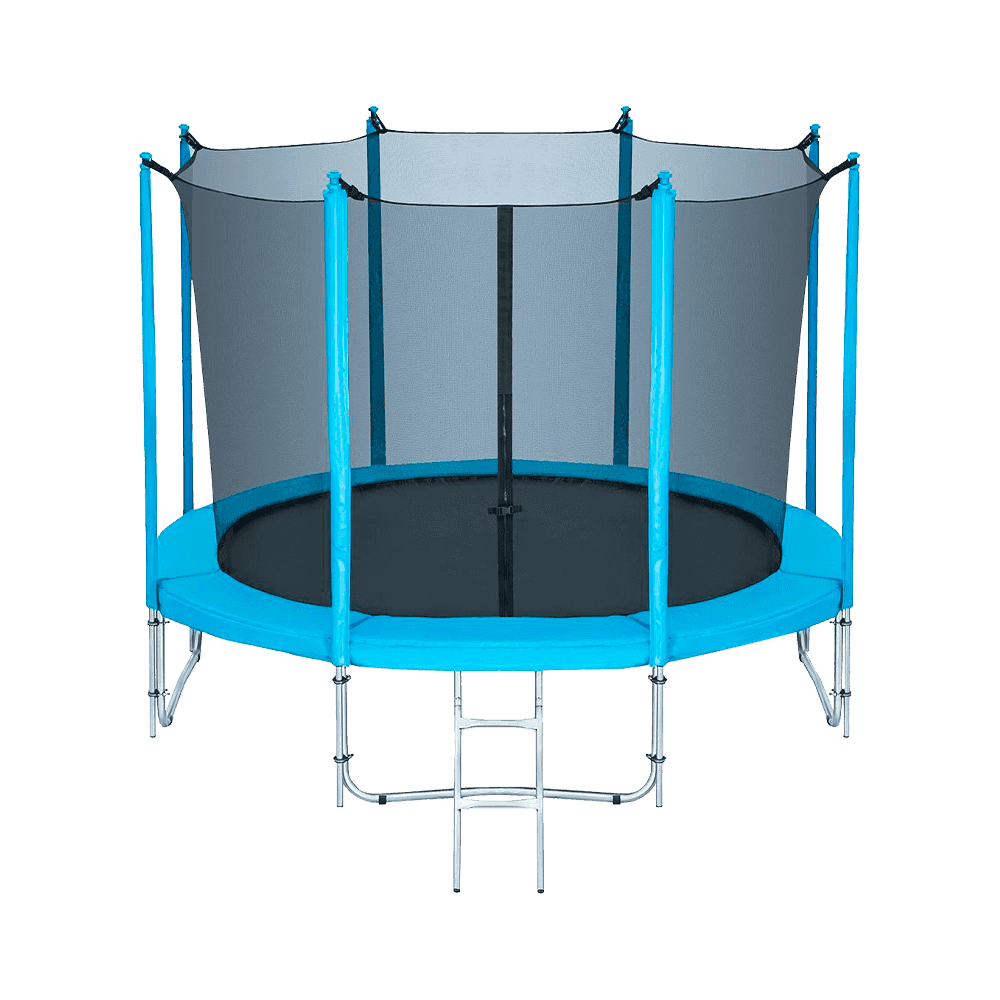
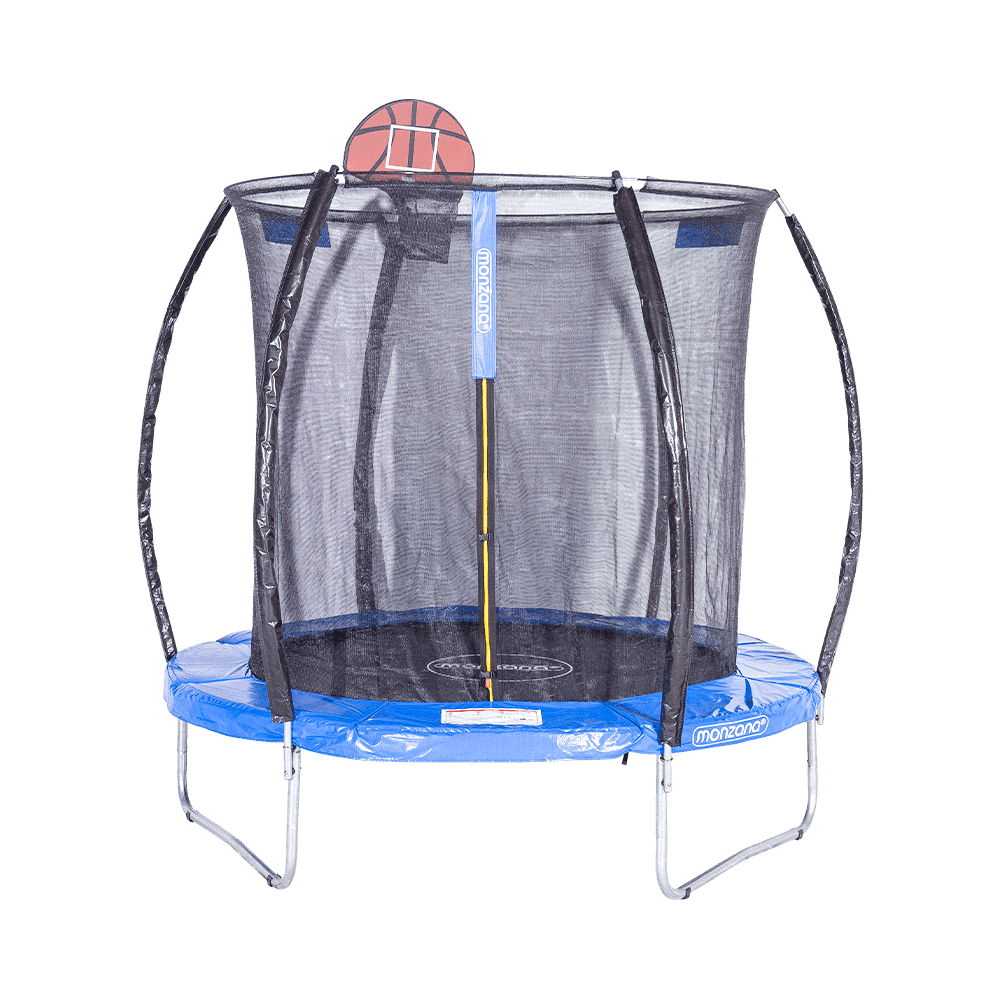
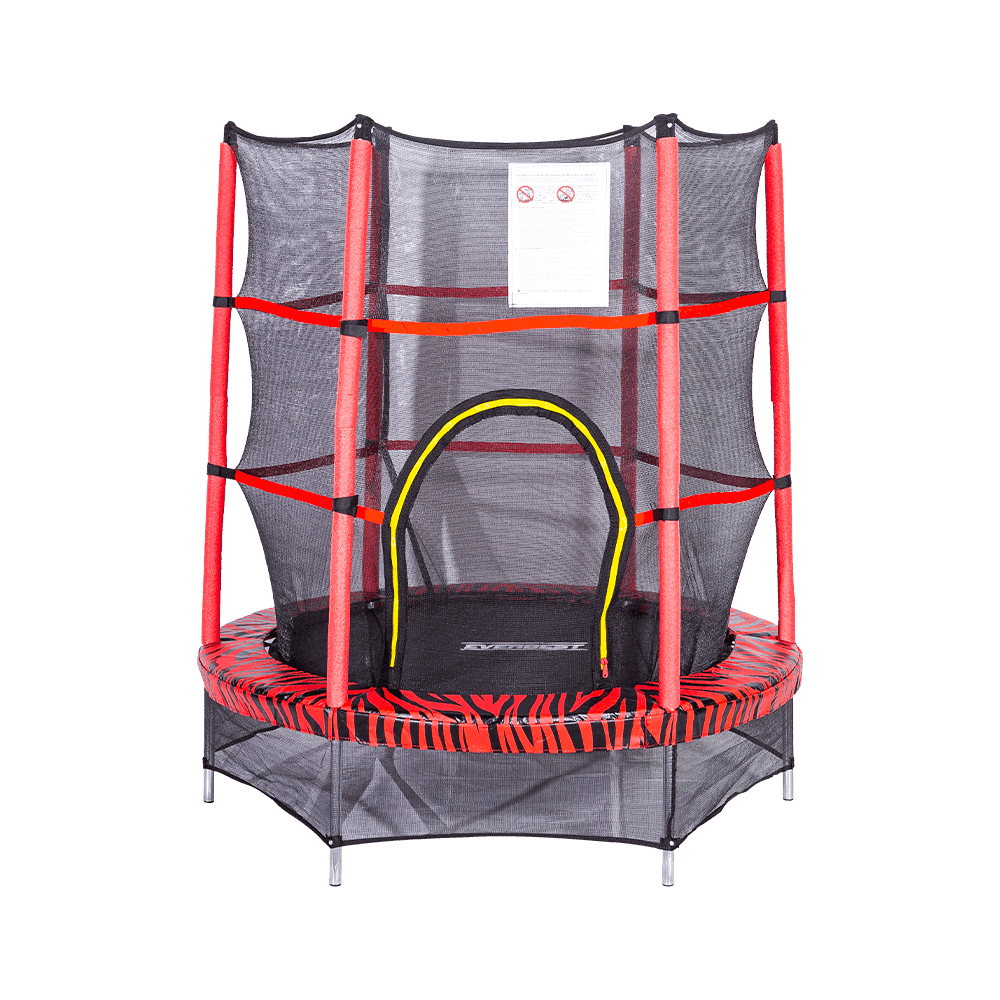
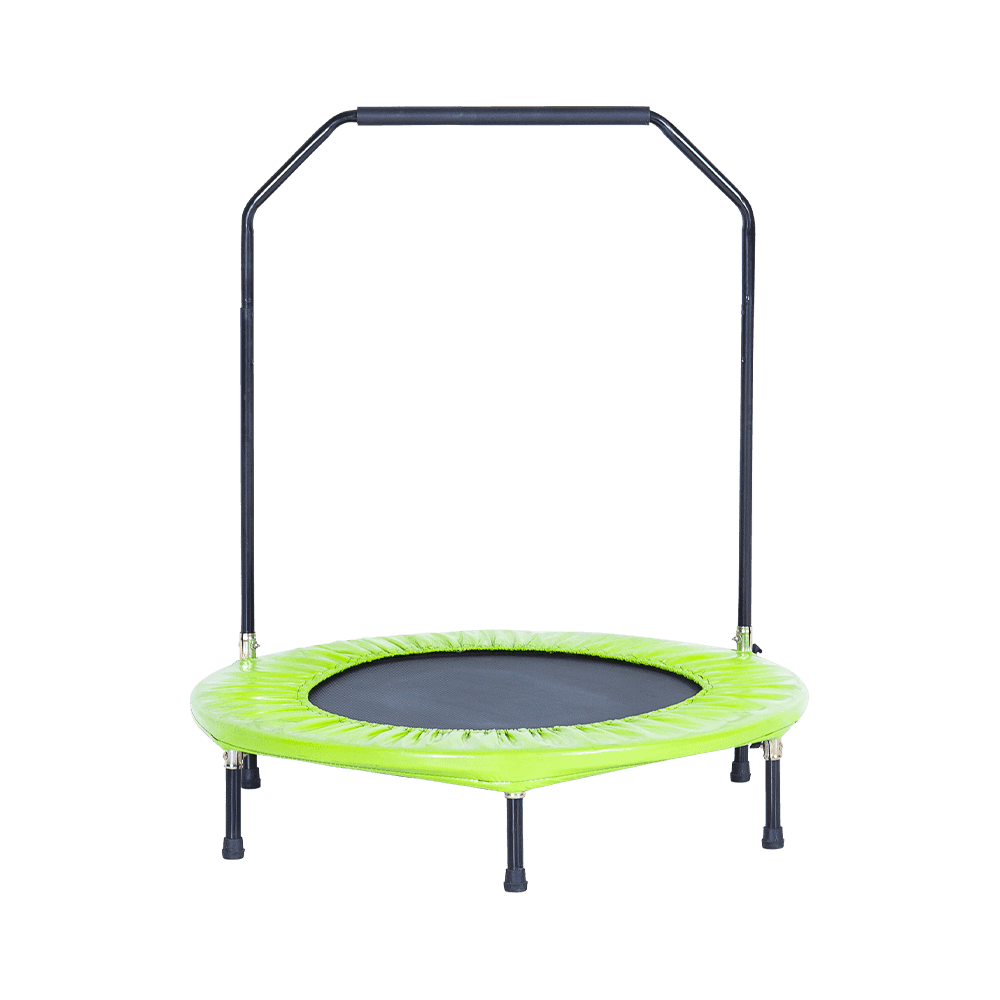
Round trampolines are one of the most popular types for backyard recreational use because they provide predictable bounce, enhanced safety, and better crowd control for multiple users. Unlike rectangular trampolines commonly found in gymnastics facilities, round trampolines are designed to direct jumpers toward the center of the mat, which helps reduce off‑center landings and potential injury. If you’re researching “best backyard trampoline” or “round trampoline safety,” this section gives you the grounding you need before making a purchase or planning installation.
Round trampolines range from small models ideal for children to large universal trampolines suitable for family use. Common size categories start at 8 feet in diameter and go up to 15 feet or larger. Search terms like “15 ft round trampoline” reflect demand for adult‑friendly, high‑capacity designs.
Selecting the correct size round trampoline depends on available space, intended users, and desired performance. Here’s how to make a practical choice.
When planning your layout, allow at least 2 feet of clearance on all sides of the trampoline, and ensure there are no low hanging branches, fences, or play equipment nearby. For larger round trampolines (12–15 ft), your open area should be at least 20 x 20 feet to meet safety requirements and provide room for protective accessories like enclosure nets.
Higher quality frames use thicker gauge steel and corrosion‑resistant finishes. Look for galvanized steel frames and heavy‑duty springs rated for repeated use. Spring count and length affect bounce quality — more springs and longer springs usually mean a more responsive trampoline surface.
| Feature | Typical Range | Impact on Performance |
| Diameter | 8–15 ft | Larger = more jumping space |
| Spring Count | 48–100+ | More = smoother bounce |
| Frame Gauge | 2.0–2.5 mm | Lower gauge = stronger frame |
Safety is paramount for any trampoline purchase. Round trampolines are often paired with enclosure nets and padding to reduce injuries. Below are must‑have safety components you should look for when searching “trampoline safety net” or “best trampoline for kids.”
When installing an enclosure net, follow the manufacturer’s instructions precisely. In many cases, the net attaches directly to padded poles that insert into the trampoline frame — a secure fit here greatly improves safety during active use.
Proper installation ensures both performance and safety. This section covers actionable steps to set up your round trampoline, whether it’s on grass, a patio, or other outdoor surfaces.
Before assembly, prepare the area by clearing debris, leveling the ground, and confirming there are no hidden hazards like sprinkler heads or shallow utility lines. For grassy surfaces, consider using a weed barrier cloth beneath the trampoline footprint to protect the underside and keep the space tidy over time.
Most round trampoline assemblies follow similar steps: assembling the frame, adding the mat and springs, installing padding, and attaching the enclosure. To make this process smoother:
Maintenance extends the life of your round trampoline and keeps it safe. Follow these practical steps to protect your investment.
Cleaning the trampoline regularly also helps. Use a soft brush and mild soap to remove dirt and debris from the mat and padding. Avoid harsh chemicals that can degrade the material.
Even high‑quality trampolines encounter problems. Here are common issues and practical solutions:
Having a maintenance kit with spare springs, U‑bolts, and T‑clips on hand can save time and keep your round trampoline in peak condition year‑round.
If you have any questions, please fill out the contact form at the bottom of the page and contact us.

Anhui Qidi Fitness Equipment Co., Ltd.
Tel: 0086-563-4676999
Fax: 0086-563-4676999
Mobile:086-15158243539
Email: [email protected]
Address: Dongpo Industrial Area, Zhongxi Town, Ningguo City, Anhui Province China
You are welcome to contact us at any time, we value your feedback and suggestions.
 Previous